Small bedrooms get a bad reputation, and honestly, it’s not fair. I’ve styled tiny rooms that felt more cozy and intentional than large ones with twice the square footage. The secret isn’t more space. It’s knowing exactly what to do with the space you already have.
If your small bedroom feels cramped, cluttered, or just kind of sad no matter what you try, you’re not alone. Most people make the same few mistakes: too much furniture, too little light, zero vertical space. These 15 small bedroom decor ideas fix all of that. No major renovations, no massive budget required.
Let’s make your small bedroom work for you, not against you.
Use a Bed Frame With Built-In Storage
A bed with built-in drawers or a hydraulic lift base is genuinely one of the smartest moves you can make in a small bedroom. You’re already using that floor space for your bed; you might as well use the space under it too. Storage bed frames eliminate the need for a separate dresser in many cases, which instantly frees up significant floor space. IMO, this single swap does more for a small bedroom than almost anything else on this list.
Look for platform beds with two to four deep drawers on each side, or ottoman-style frames where the entire mattress lifts for access to a massive storage cavity underneath. IKEA’s MALM and BRIMNES beds are reliable, affordable starting points, and they look genuinely good.
Mount Your Nightstands on the Wall
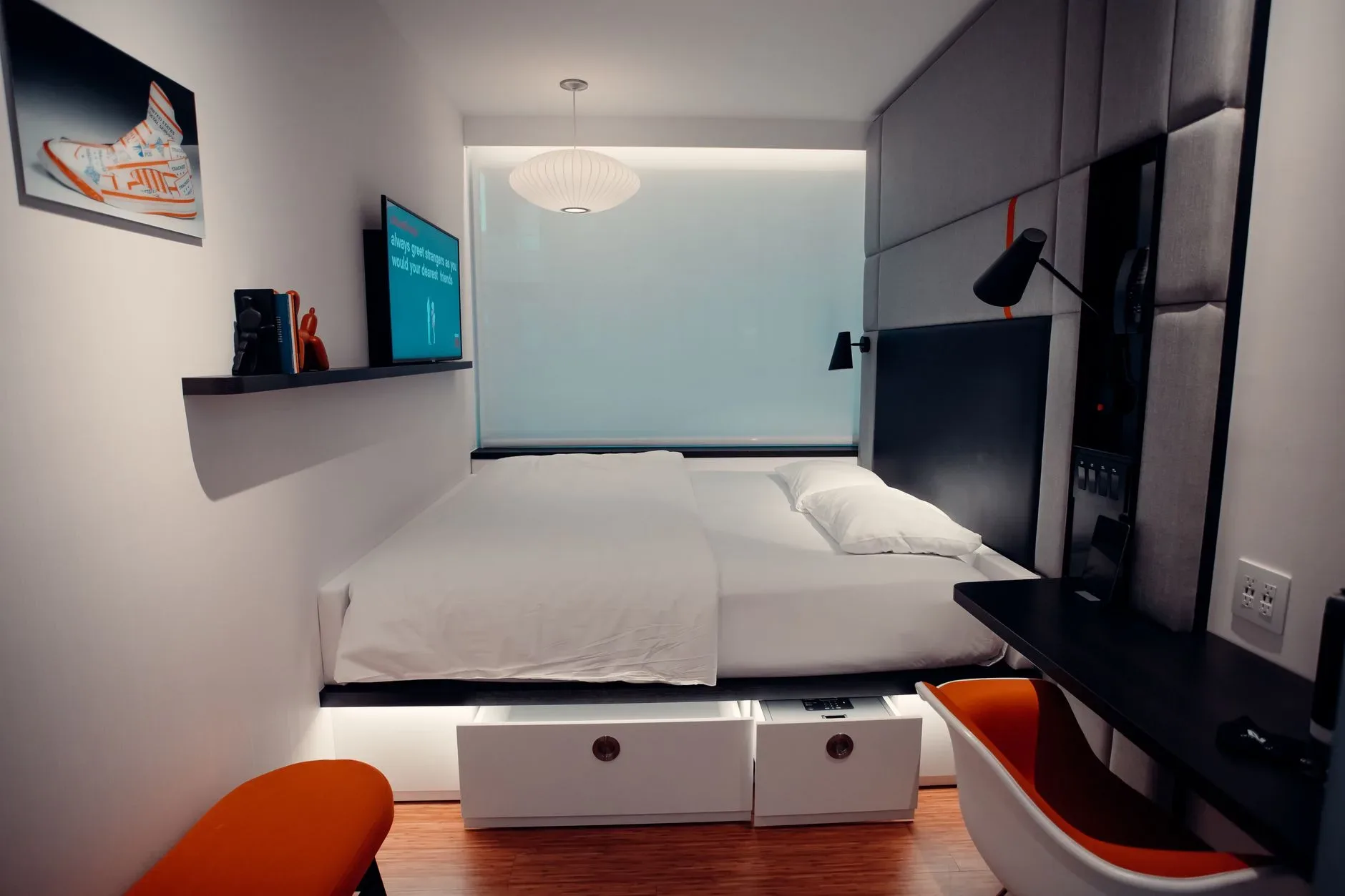
Floor-standing nightstands take up precious space that your small bedroom simply can’t spare. Wall-mounted bedside shelves give you the same function, a spot for your lamp, your water bottle, your book, without eating into your floor plan at all. They also make the room feel lighter and more open because you can see the floor all the way to the wall. That visual breathing room matters more than most people realize.
A simple floating shelf from IKEA runs about $10–$15 per side. Add a small sconce above it instead of a table lamp, and you’ve just freed up even more surface space. Clean, minimal, and genuinely clever.
Go Vertical With Your Storage
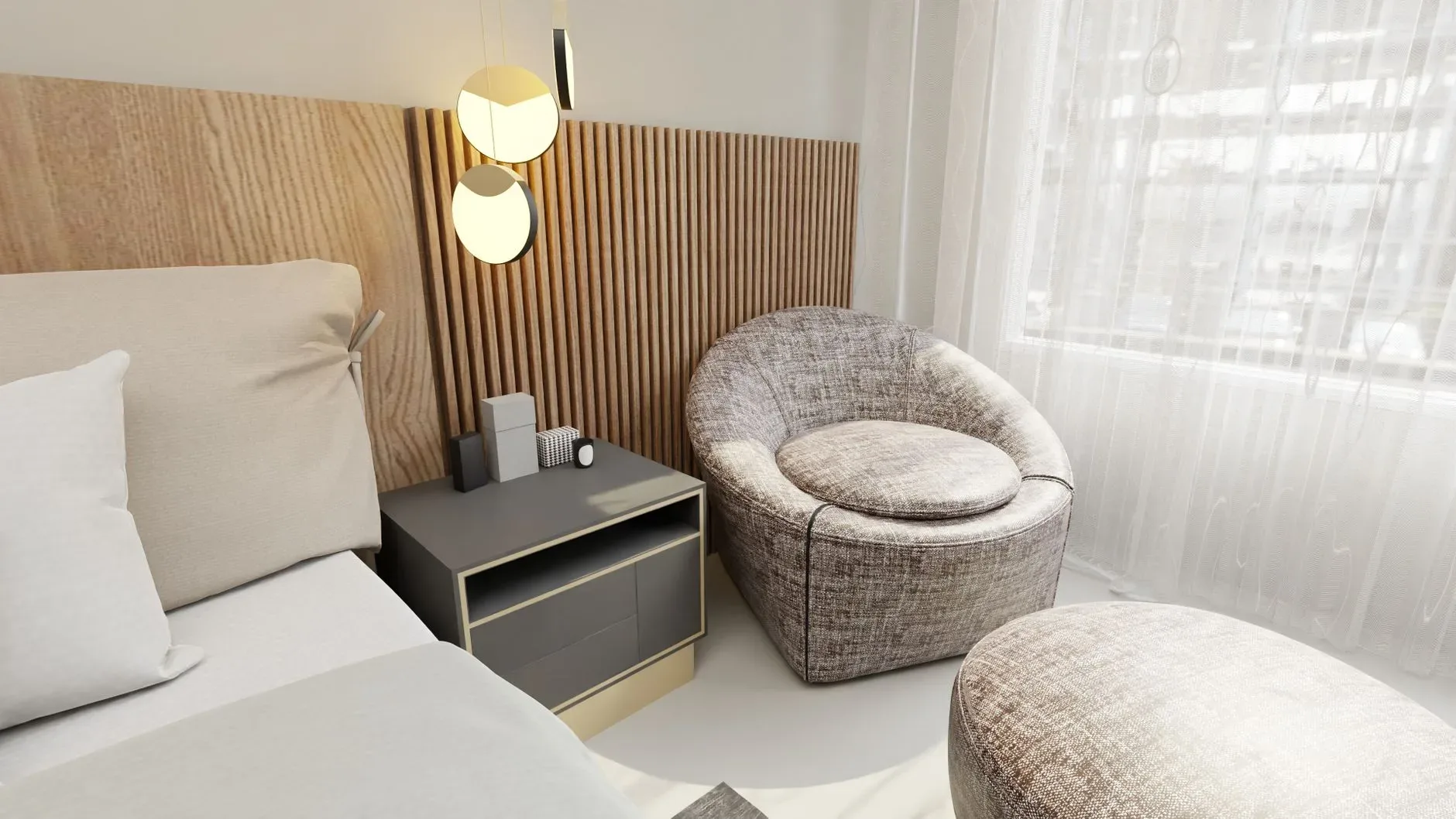
Here’s something I wish someone had told me earlier: in a small bedroom, the wall space above eye level is basically free real estate. Most people completely ignore it. Tall bookcases, floor-to-ceiling shelving, and high-mounted cabinets draw the eye upward and make ceilings feel taller while storing a surprising amount of stuff.
A narrow, tall bookcase in a corner takes almost no floor space but holds a remarkable amount. Style the upper shelves with books and decorative objects, and use the lower ones for baskets that hide the less-photogenic necessities. Vertical storage in a small bedroom is always the right answer.
Choose Light, Airy Bedding Colors
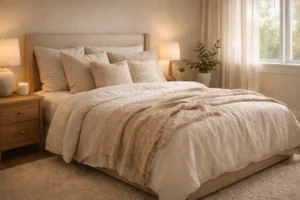
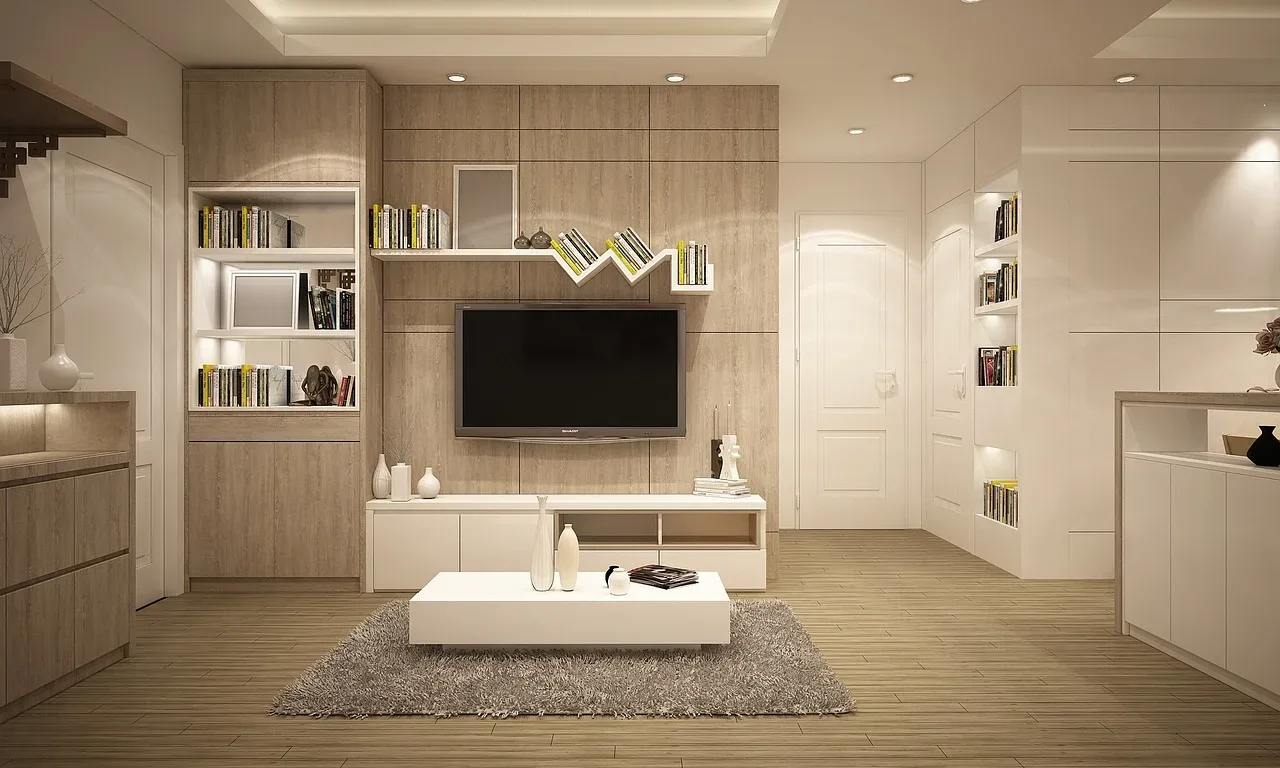
Color psychology is real, and it absolutely applies to small bedroom decor. Dark, heavy bedding makes a small room feel smaller and heavier. Light, airy colors, soft white, warm cream, pale sage, blush, reflect light and make the space feel more open and breathable. It’s not about being boring. It’s about working with the room instead of against it.
If you love pattern and color (same), keep it in your throw pillows and blanket rather than your main duvet. You get the visual interest without the visual weight. Easy swap, noticeable difference
Use Mirrors Strategically
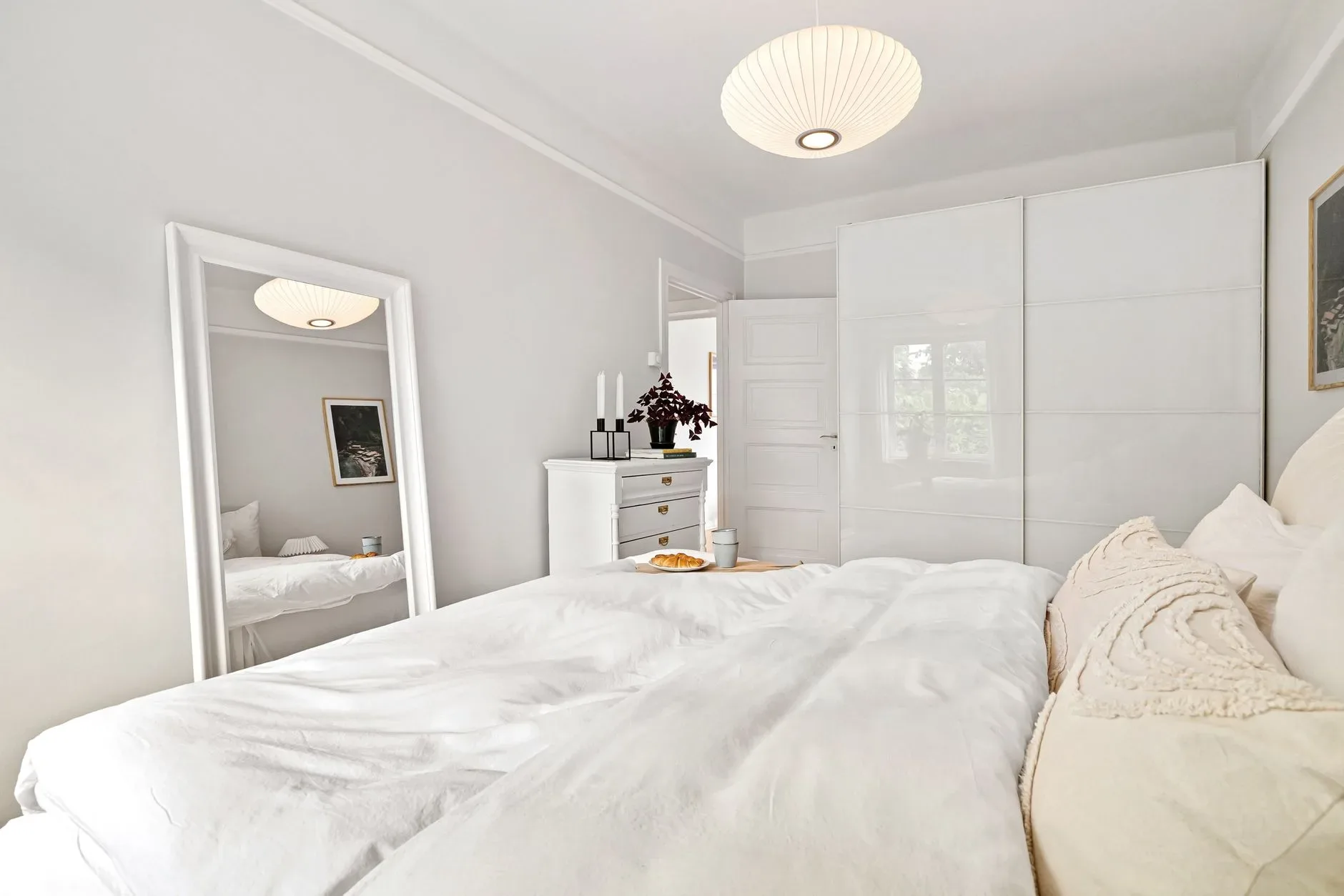
A well-placed mirror might be the most powerful small bedroom decor trick there is. Mirrors reflect light, create the illusion of depth, and make any room feel significantly larger than it actually is. A full-length mirror leaning against the wall, or a large framed mirror hung above the dresser, can make a small bedroom look almost twice its actual size in a photo, and in real life.
Don’t go overboard (a room full of mirrors gets weird fast), but one or two well-placed mirrors in a small space work absolute wonders. Position one across from your window to bounce natural light around the room. You’ll notice the difference immediately.
Try a Lofted or Bunk Bed Setup
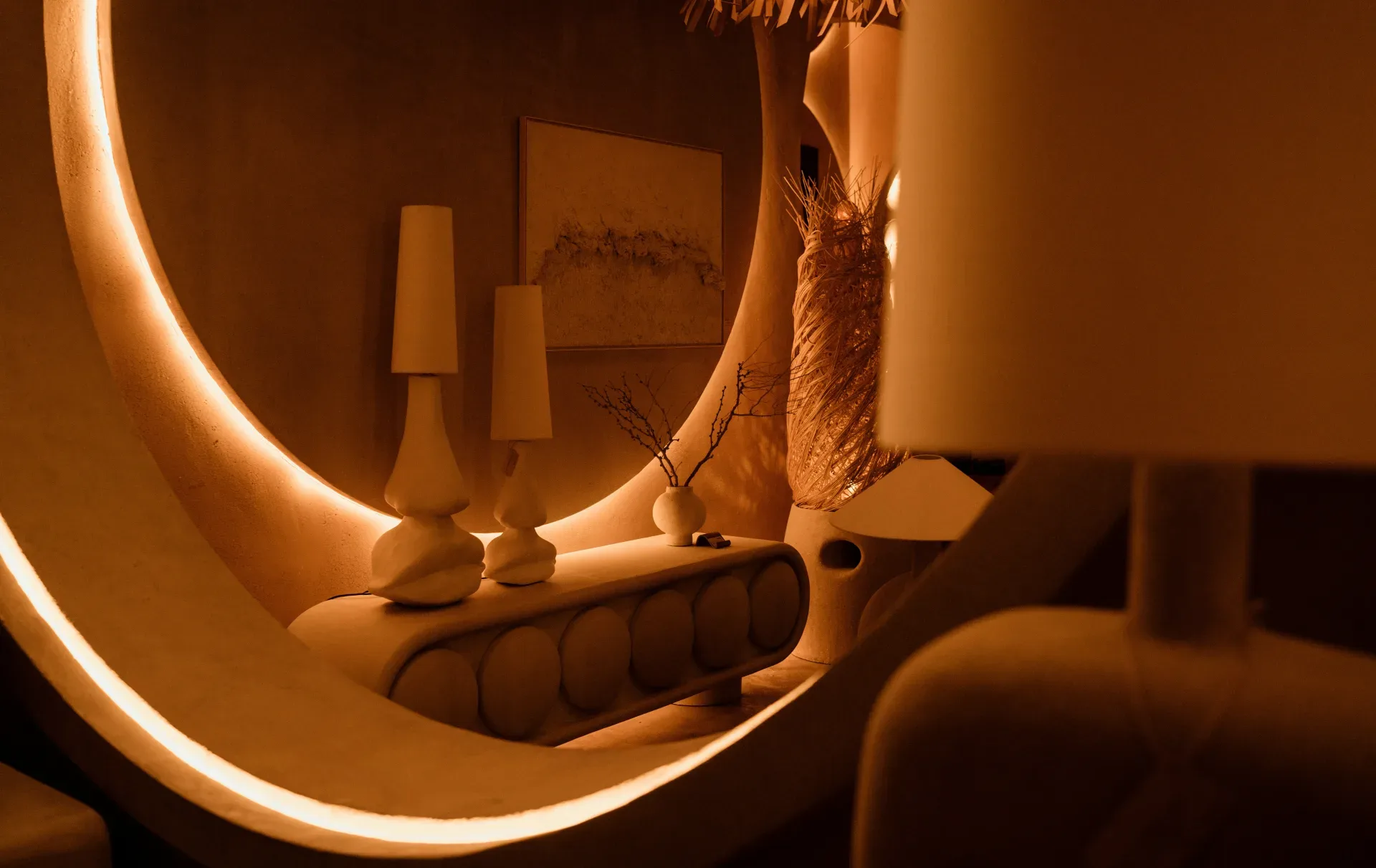
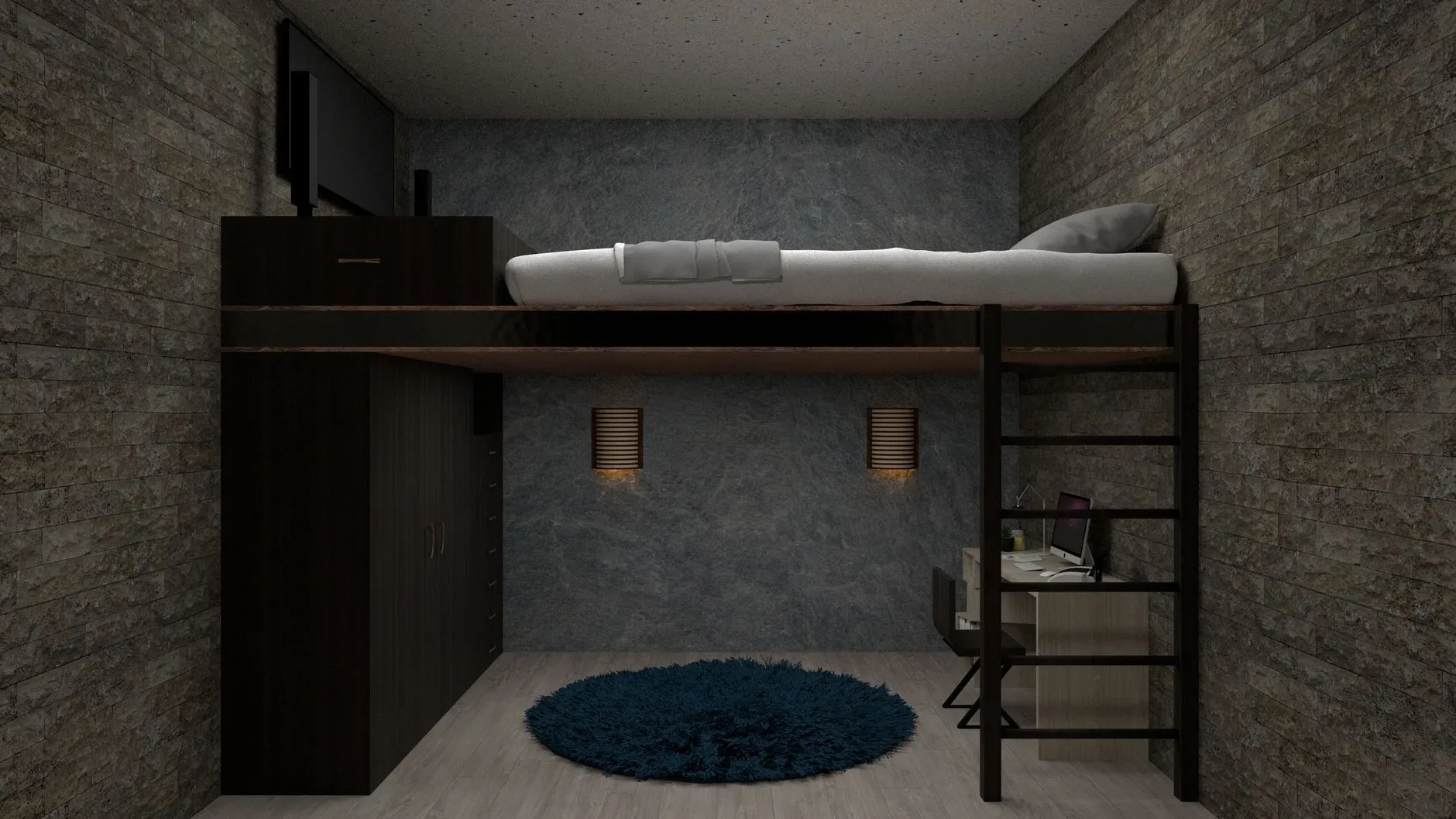
This one isn’t just for kids’ rooms anymore. A lofted bed in a small bedroom frees up the entire floor footprint of your sleeping area and turns it into usable living space, a desk, a reading nook, and a small closet setup. In studio apartments and compact bedrooms, this idea is genuinely life-changing. You’re essentially stacking two zones where before there was only one.
Modern loft beds come in some really sophisticated designs now, solid wood, clean metal frames, nothing that screams “dorm room.” If your ceiling height allows for it (you want at least 7.5 feet ideally), a loft bed is one of the most dramatic space-saving moves you can make.
Hang Curtains High and Wide
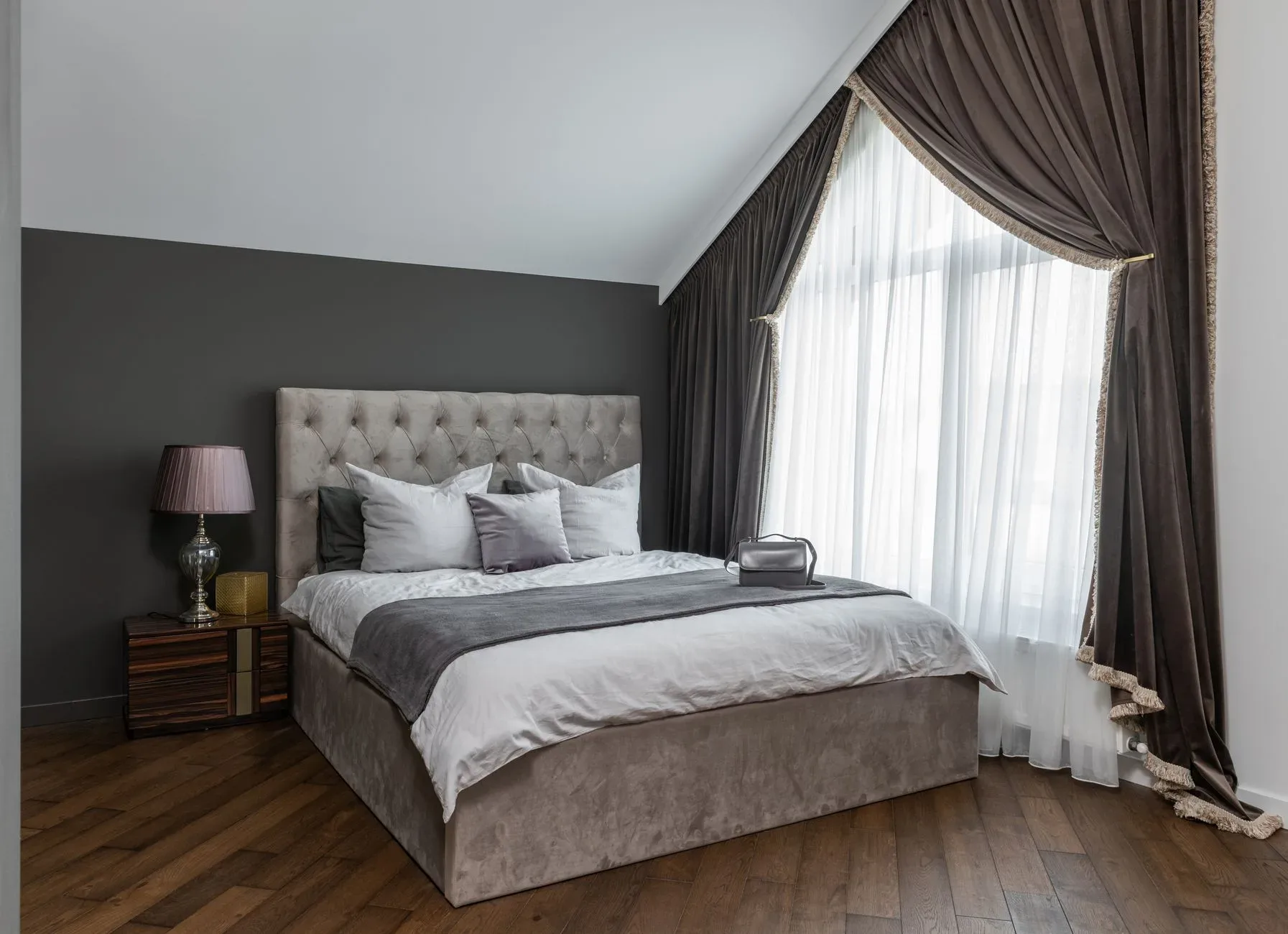
This is a decorating trick that interior designers use constantly, and it works just as well in bedrooms as it does in living rooms. Hang your curtains close to the ceiling, not just above the window frame, and extend the rod well beyond the window on both sides. The result? Your window looks dramatically larger, your ceilings look taller, and the whole room feels more spacious and polished.
Use lightweight, slightly sheer curtains in a neutral tone to keep things feeling light rather than heavy. Floor-to-ceiling soft linen panels in cream or white are a classic for a reason; they’re the quiet background that makes everything else in the room look better.
Invest in a Slim-Profile Dresser
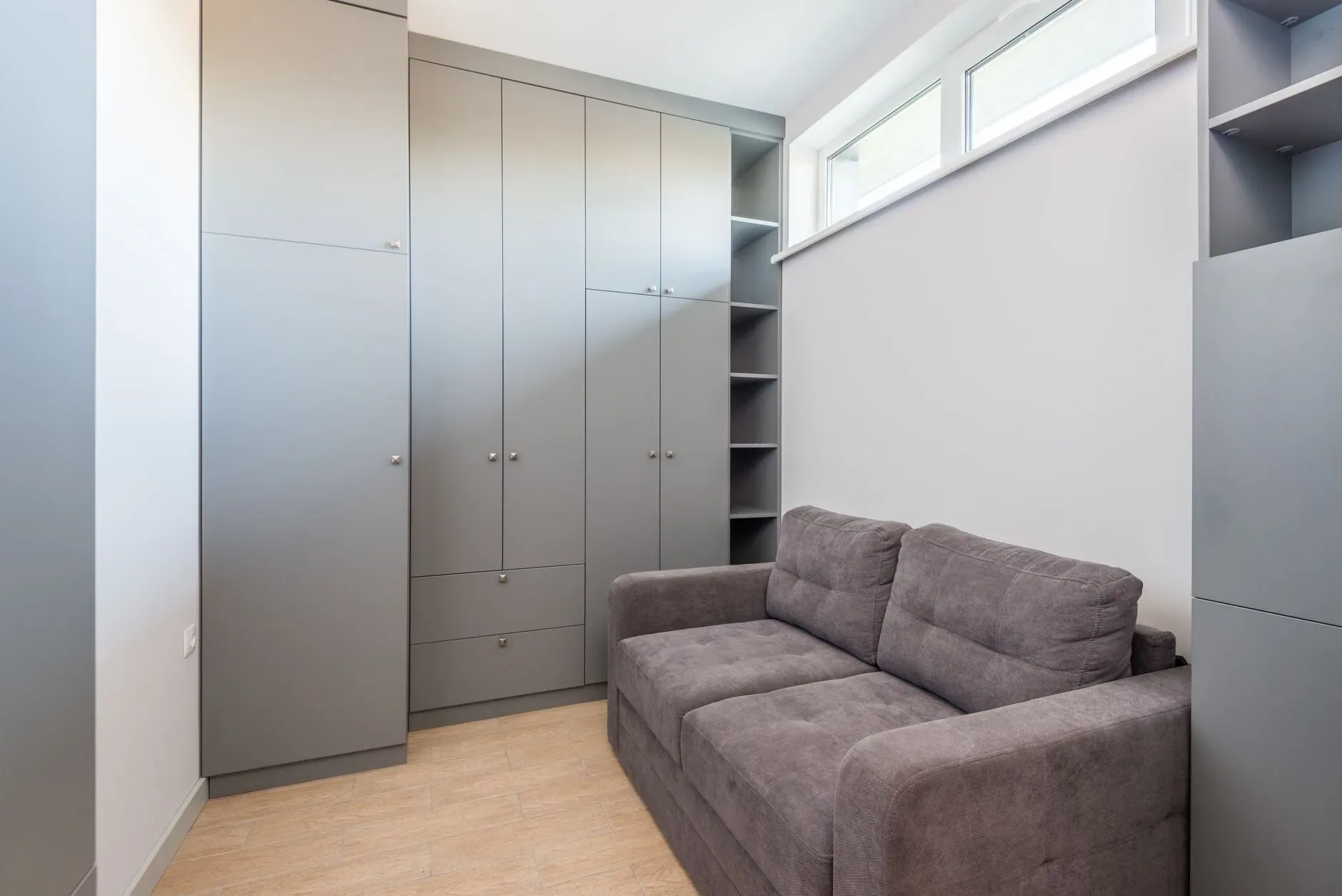
Standard dressers are often deeper than they need to be, and in a small bedroom, that extra depth can block traffic flow and make the whole room feel boxed in. A slim or narrow dresser, typically around 16 inches deep rather than the standard 20+, fits into tighter spaces without sacrifice. You’d be surprised how much it opens up a room just to have a few extra inches of floor space back.
Tall, narrow dressers also work beautifully here; they go vertical instead of horizontal, which we’ve already established is the small bedroom’s best friend. IKEA’s HEMNES dresser in the slim configuration is one of the best value options out there for this exact purpose.
Create a Focal Point With an Accent Wall
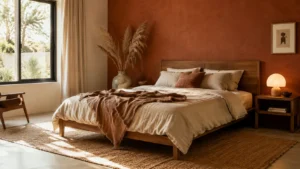
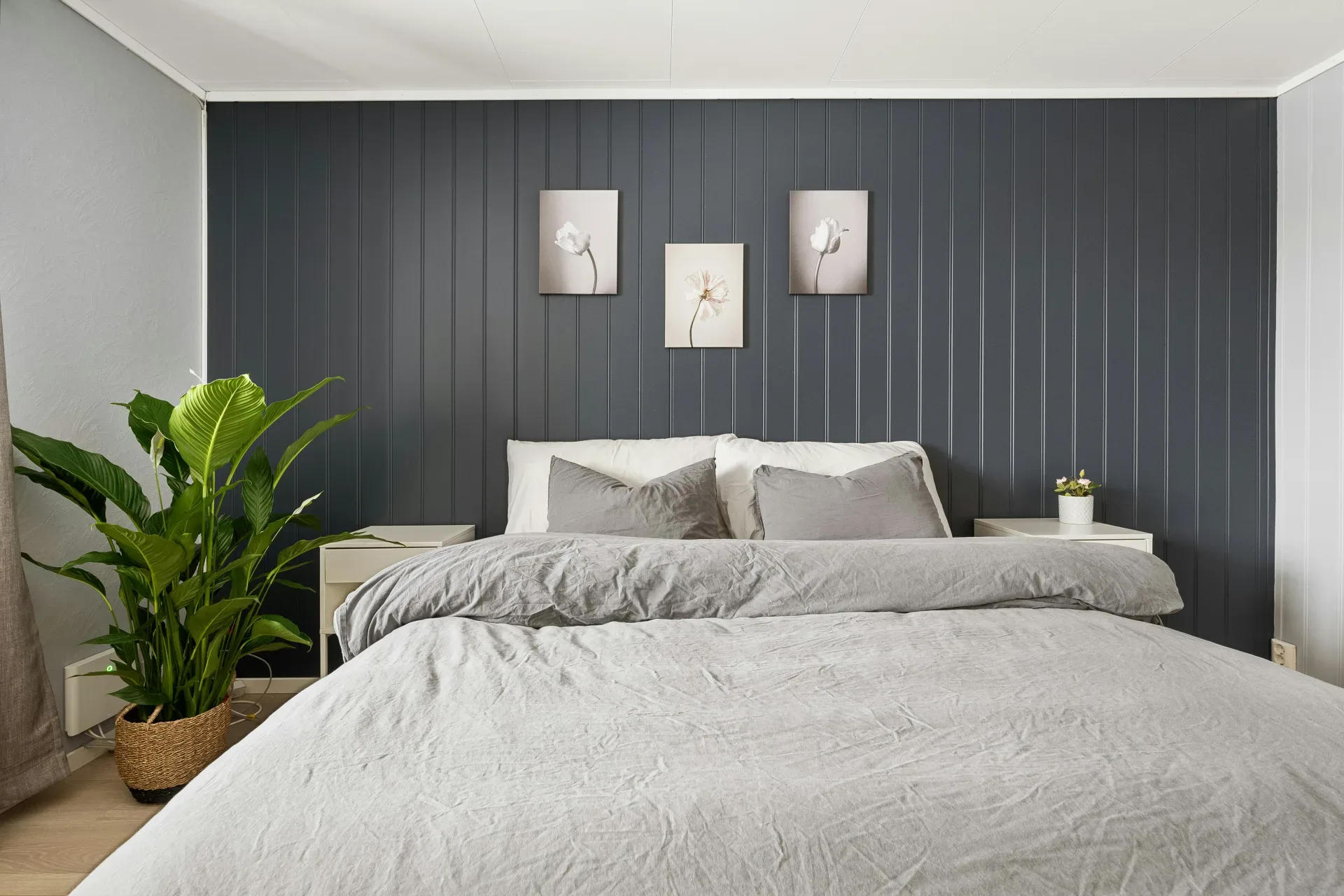
A small bedroom doesn’t have to be a neutral box to function well, and an accent wall behind your bed can add enormous visual interest without making the space feel smaller. The trick is choosing the right treatment. A soft, warm color, a subtly textured wallpaper, or a simple painted arch all add personality and depth without competing with the rest of the room.
Dark accent walls in small rooms can actually work beautifully too; they create a sense of intimacy and cocooning rather than constriction, especially in bedrooms where the goal is coziness over airiness. Just keep the other three walls light and let the accent wall do its job.
Use Multi-Functional Furniture Everywhere
In a small bedroom, every piece of furniture should earn its keep. If something only does one job, it needs to justify taking up that space. A storage ottoman at the foot of the bed holds blankets and gives you somewhere to sit while putting on shoes. A bench with hidden storage replaces both a blanket chest and a seating piece. A bedside table with a drawer gives you surface space and hidden storage in one.
Multi-functional furniture isn’t a compromise; some of the most beautiful bedroom pieces also happen to be the most practical. Think intentionally about every item before it enters the room. Does it serve more than one purpose? If not, is it truly worth the space it takes?
Keep the Floor as Clear as Possible
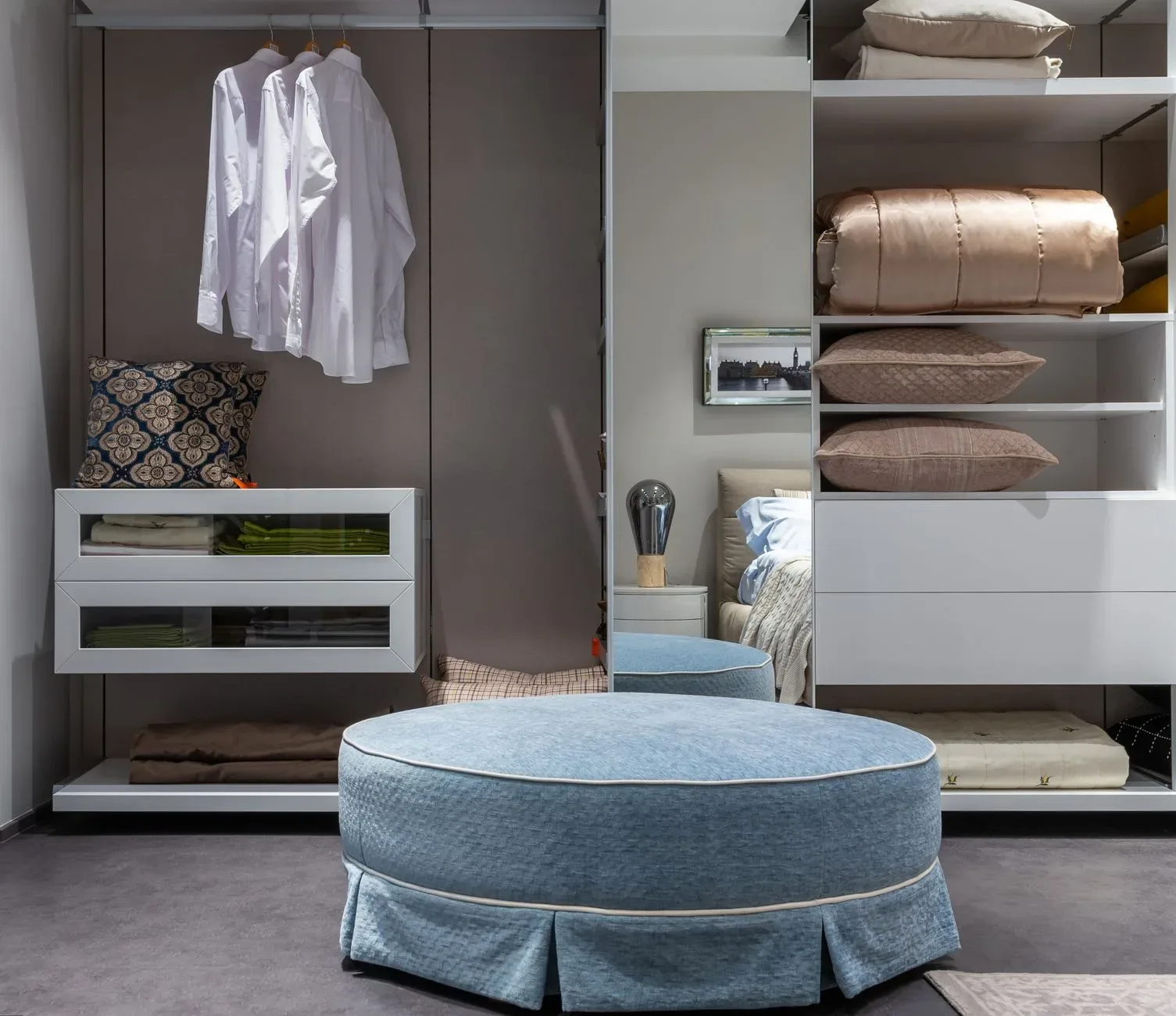
This sounds almost too obvious, but it makes a staggering visual difference: the more floor you can see, the larger your small bedroom feels. Wall-mounted furniture, raised bed frames, and legs on everything (dressers, chairs, side tables) all expose more floor and create that light, open quality that makes a room feel bigger than its measurements suggest.
Rugs help too; a correctly sized rug that extends beyond the bed on three sides anchors the space and makes it feel intentional rather than cramped. Just avoid rugs that are too small (a tiny rug in the middle of the room actually makes the space feel smaller, not larger). FYI, the most common rug mistake in small bedrooms is going too small. Size up.
Add a Small Desk in an Unused Corner
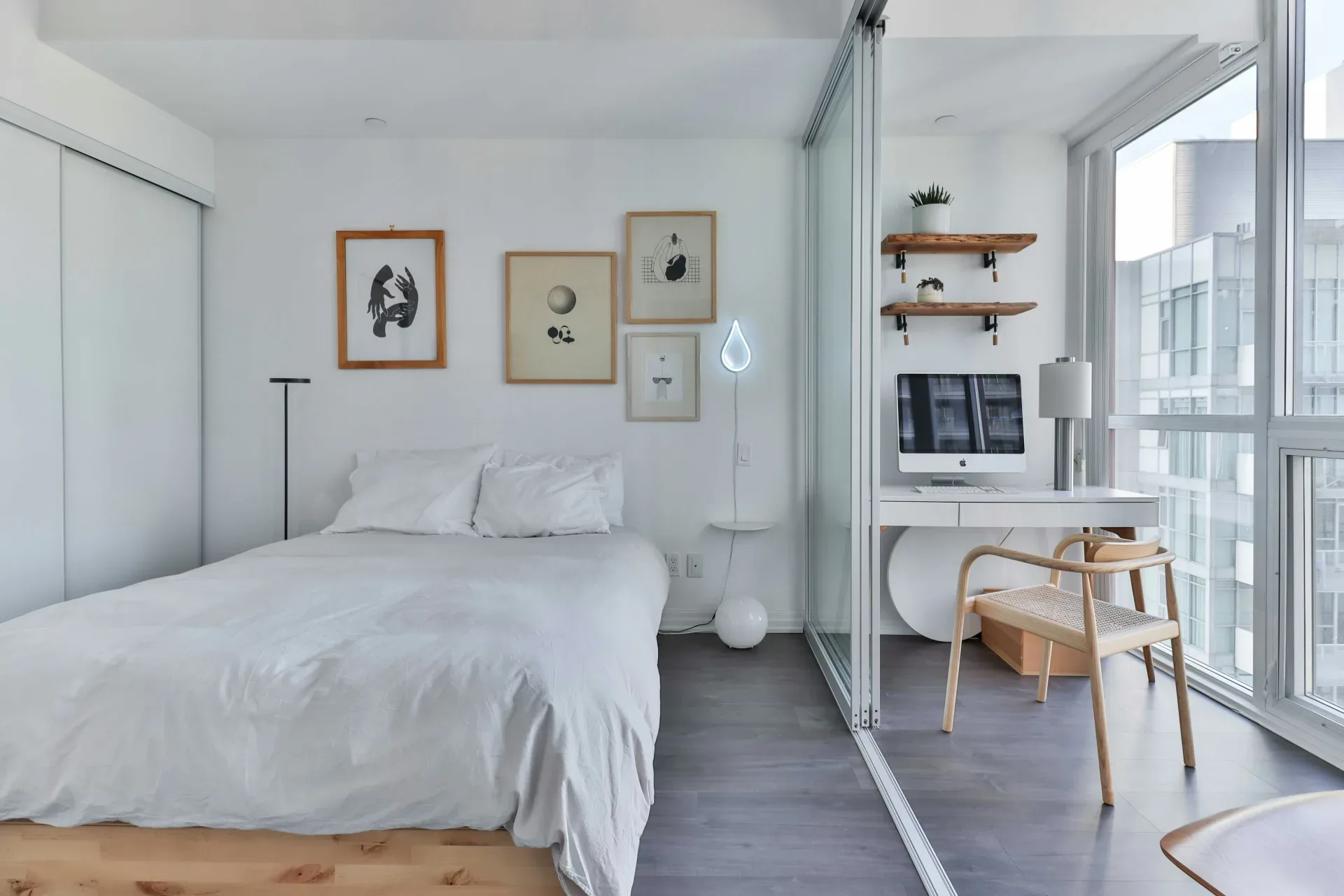
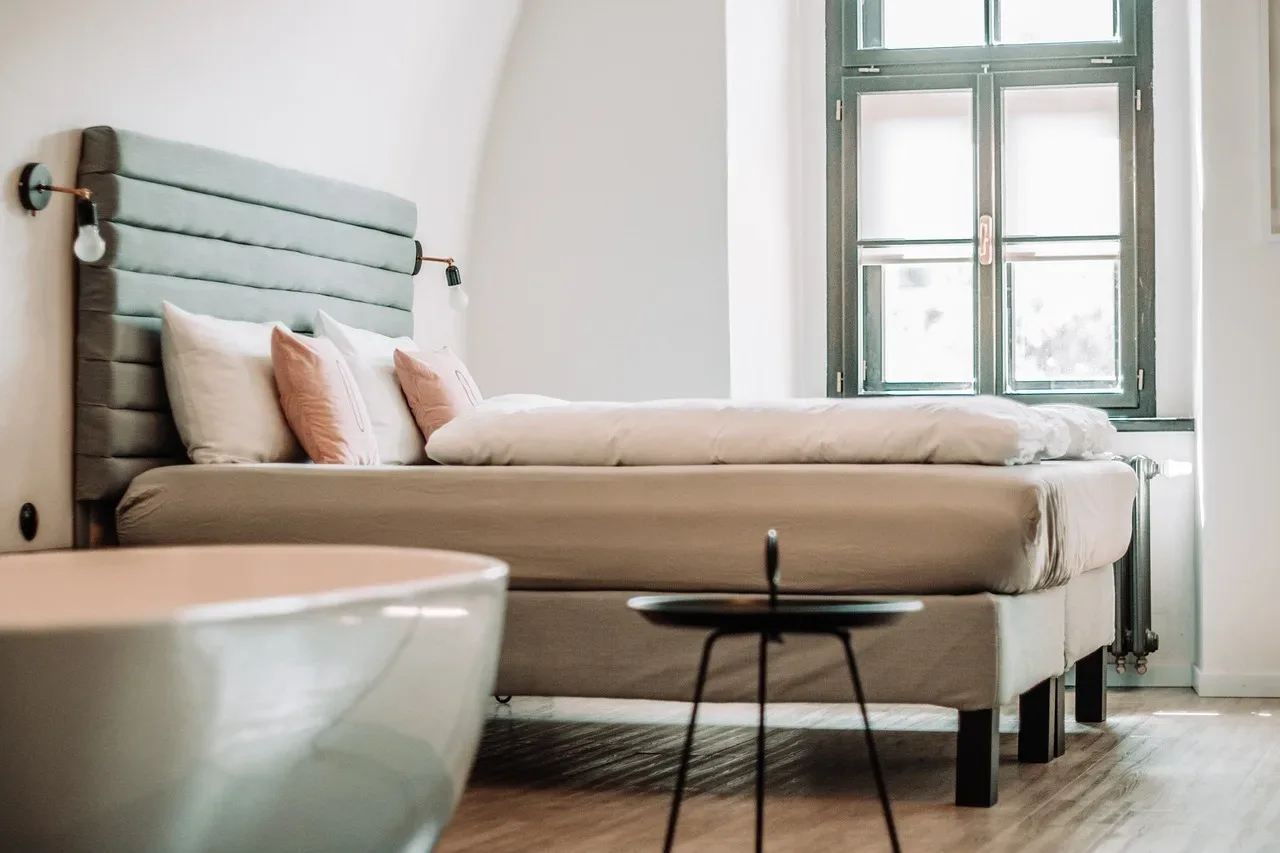
Got a corner that’s just collecting air? A small wall-mounted desk or a compact corner desk can turn that forgotten space into a functional work or study nook without taking up meaningful floor space. In small bedrooms that also need to function as home offices, this approach keeps the room feeling like a bedroom first and a workspace second; the desk tucks in rather than taking over.
Keep the desk surface minimal and add one small shelf above it for storage. A simple chair that slides fully under the desk keeps things tidy when you’re not working. The whole setup can be done for under $100, and it’s one of the most practical small bedroom decor ideas for people working from home.
Layer Lighting for Depth and Warmth
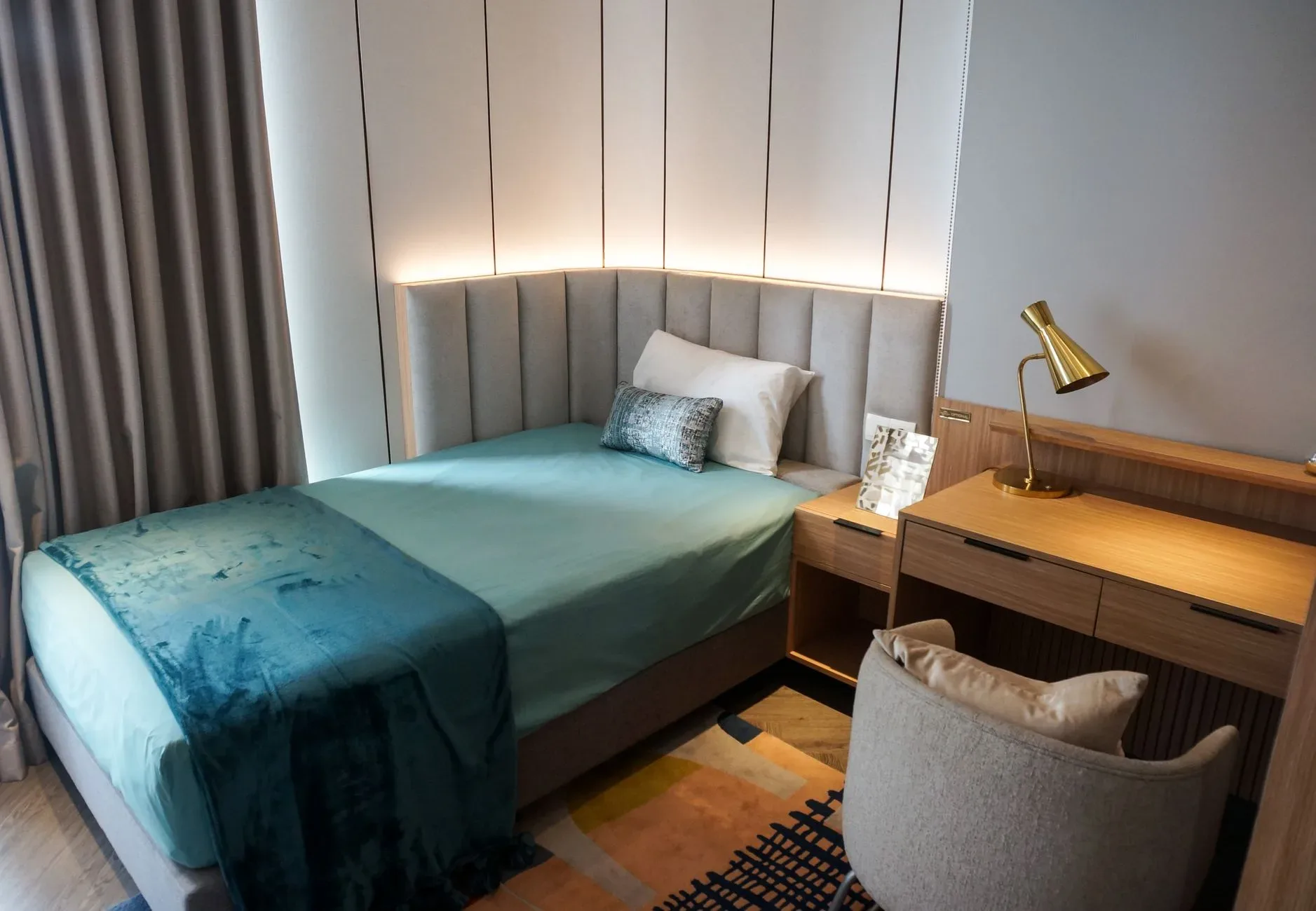
Overhead lighting alone makes any room feel flat and a little clinical, and in a small bedroom, that matters even more. Layering your lighting (overhead, task, and ambient) creates depth, warmth, and the kind of cozy atmosphere that makes a small bedroom feel intentional rather than just small. Wall sconces, string lights, a small table lamp, an LED strip behind the headboard, any combination of these adds dimension that a single ceiling light simply can’t.
Warm-toned bulbs (2700K–3000K) are non-negotiable in a bedroom setting. Cool white lighting makes a cozy bedroom feel like a doctor’s waiting room, and no one wants that. Warm light makes everything look better, feel softer, and photograph more beautifully for your Pinterest saves.
Use Under-Bed Space Like a Pro
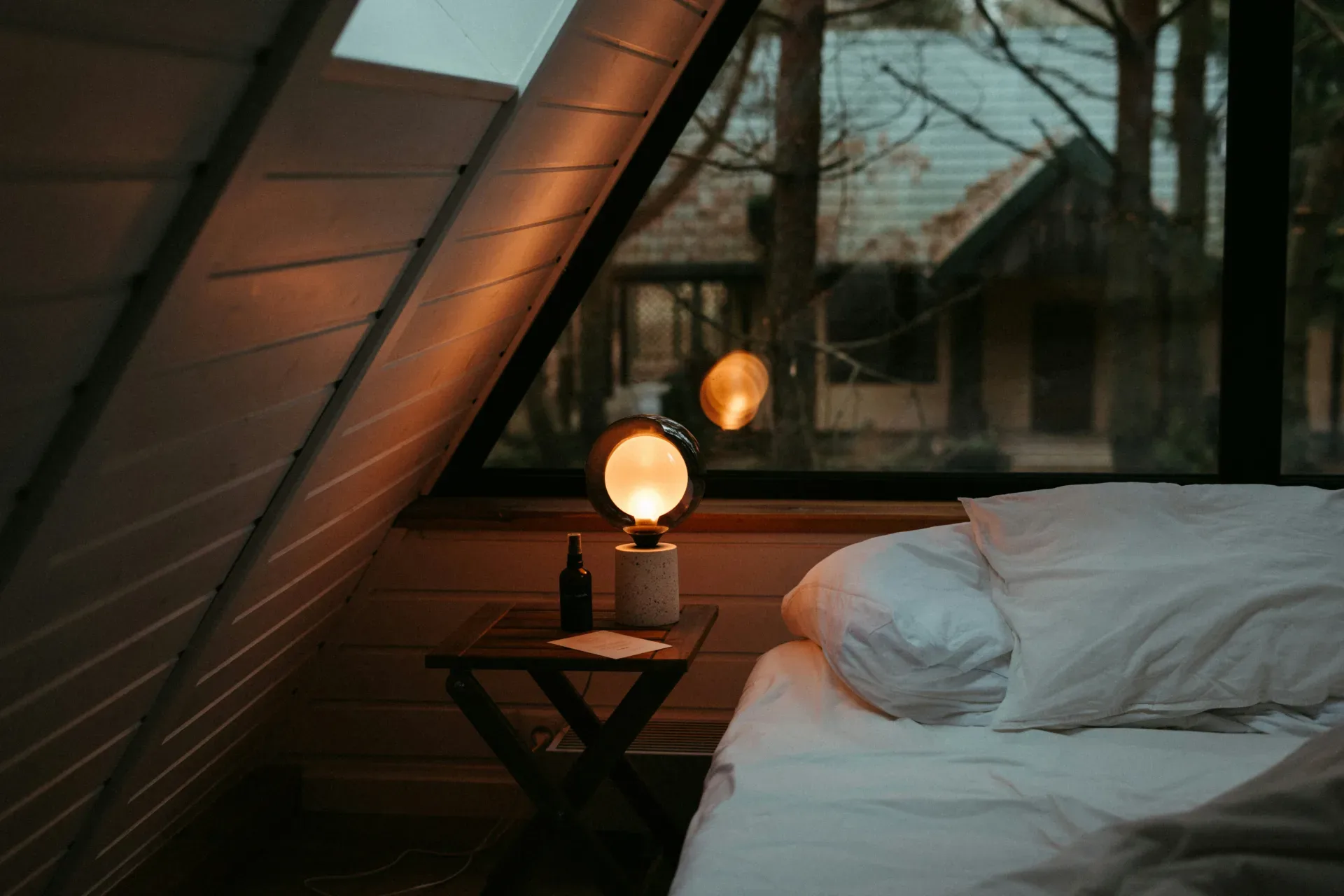
The space under your bed is some of the most underutilized real estate in any small bedroom. Low-profile storage bins, vacuum-seal bags for seasonal clothing, and flat rolling drawers can all disappear under a standard bed frame and hold a surprising amount. Used well, under-bed storage can replace an entire dresser, which frees up a huge chunk of floor space in a small room.
The key is keeping it organized so it doesn’t become a chaotic no-man’s-land you’re afraid to open. Labeled bins, matching containers, and a system for what lives under them make it genuinely functional rather than just a place things go to disappear. A bed skirt hides it all and keeps the room looking clean.
Embrace Minimalism (Even Just a Little)
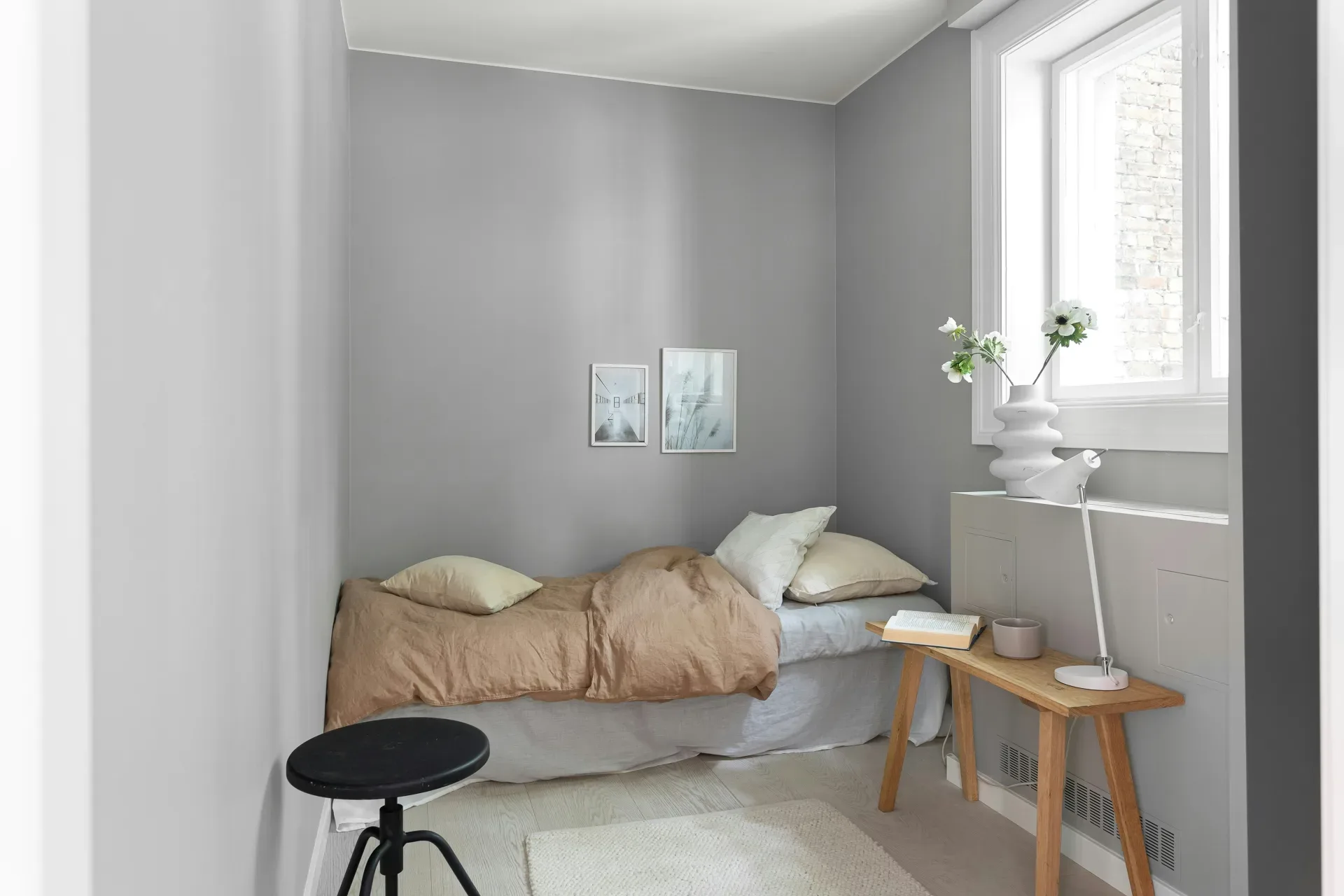
You don’t have to become a full minimalist to benefit from the core idea: less stuff in a small bedroom means more breathing room, more calm, and more visual space. Every extra item you bring into a small room takes up either physical or visual space, and both matter. Editing down to what you actually use and love isn’t deprivation. It’s genuinely one of the best things you can do for a small bedroom decor refresh.
Start with surfaces. Clear your dresser top down to three to five items maximum. Clear your windowsill. Clear the floor. Just that alone will make your small bedroom feel noticeably larger, lighter, and easier to be in. Minimalism in a small space isn’t about cold and empty; it’s about intentional and calm.
Quick Budget Guide
Under $25: Strategic mirror placement, high-hung curtain rods (use existing curtains), clear floor surfaces, under-bed storage bins, warm lightbulb swap
$25–$75: Wall-mounted floating nightstands, accent wall paint treatment, additional lighting layers (string lights, sconces), a correctly sized bedroom rug
$75–$150: Slim-profile dresser, wall-mounted compact desk, tall narrow bookcase for vertical storage, multi-functional storage ottoman
Splurge-worthy: Storage bed frame with built-in drawers ($200–$600+), loft bed setup ($300–$800+), custom built-in shelving- these are long-term investments that pay back in usable space every single day.
Why This Actually Works
Most small bedroom problems come down to the same root cause: the room is fighting against itself. Heavy furniture blocks sightlines, clutter breaks up floor space, and poor lighting flattens everything. Every idea on this list works by addressing one of those three problems, either by creating more visual space, freeing up physical floor space, or adding the light and warmth that make a room feel larger and more inviting. Fix those three things, and a small bedroom genuinely transforms.
The psychology of small spaces is real and worth understanding. Our brains read “open floor” as “more room,” even when the actual square footage hasn’t changed. That’s why raised furniture legs, clear surfaces, and wall-mounted pieces make such a tangible difference; you’re giving your eye permission to travel, which makes the brain register space rather than constriction. It sounds almost too simple, but I’ve seen it work in rooms barely large enough to turn around in.
And then there’s the layering principle. The small bedrooms that look the best on Pinterest, the ones you save and come back to, almost always have multiple textures, light sources, and levels working together. They feel rich and intentional without feeling crowded. That’s the balance to aim for: enough going on to feel cozy and personal, edited enough to feel calm and spacious. It’s a balance, not a formula, and you’ll feel it when you hit it.
Final Thoughts
Small bedrooms are genuinely workable, I promise. The rooms that feel cramped and frustrating usually just need a few smart swaps, a little editing, and some intentional choices about light and storage. You don’t need to do all 15 of these ideas at once (please don’t try). Pick the two or three that feel most relevant to your specific situation and start there. Small changes in a small room have an outsized impact.
If something here clicked for you, save this to your Pinterest boards for when you’re ready to tackle it, and drop a comment below if you’ve tried any of these ideas in your own space. I genuinely love hearing what works in real rooms, not just styled ones. Now go look at your small bedroom with fresh eyes. There’s more potential in there than you think.