There’s something about a farmhouse kitchen that makes you want to slow down, pour a cup of coffee, and just exist in the space for a while. Maybe it’s the warm wood tones, or the way everything feels a little imperfect on purpose. I’ve spent way too many hours scrolling through home décor inspiration, and farmhouse kitchens always pull me back in; they’re cozy without trying too hard and stylish without feeling stiff.
I remember helping a friend redo her kitchen a few years back. The moment we swapped her sleek modern cabinet handles for a set of weathered iron pulls, the whole room shifted. It suddenly felt like a place where people gathered, told stories, and didn’t worry about spilling flour on the counter. That’s the magic of this style; it invites life in.
If you’re planning a refresh, big or small, this list gives you plenty to work with. From reclaimed wood to wire baskets, these ideas cover everything from weekend projects to bigger design decisions. Each one comes with practical styling tips and a quick look at why it actually works in a real, lived-in kitchen.
So grab your coffee, maybe a notebook, and let’s get into it.
Create a Warm, Inviting Kitchen That Feels Timeless and Full of Character
Before diving into individual ideas, it helps to think about the overall feeling you’re going for. Farmhouse style isn’t about matching everything perfectly or chasing the latest trend; it’s about layering textures, materials, and a few sentimental pieces until the room feels like it’s been lived in for years, even if you moved in last month.
The best farmhouse kitchens mix old and new. A vintage sign next to a modern dishwasher. A reclaimed wood shelf above sleek quartz counters. That contrast is what keeps the look feeling fresh instead of like a museum exhibit. Keep that balance in mind as you go through the ideas below, pick the ones that genuinely fit how you live, not just how a photo looks.
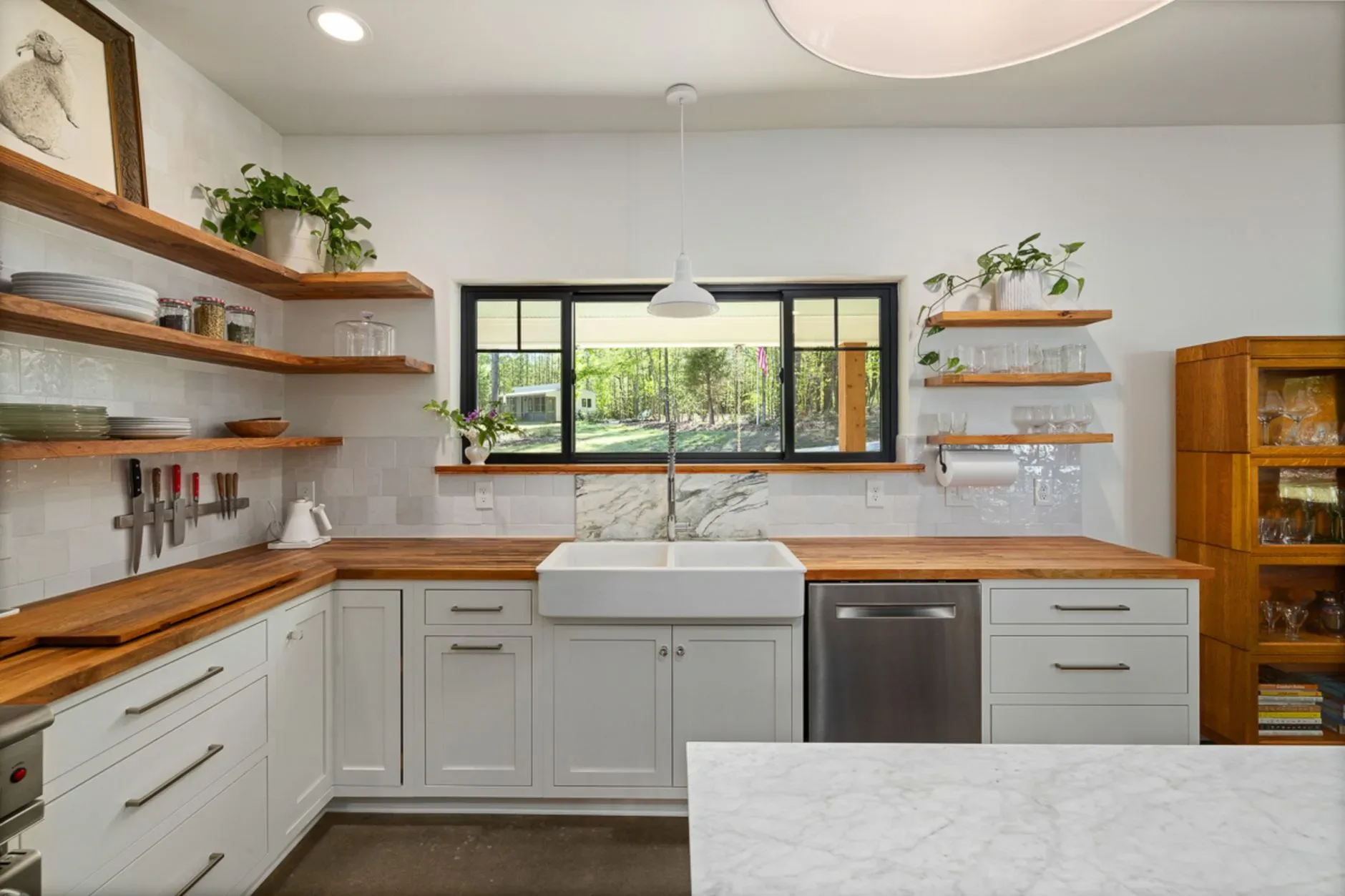
1. Use Reclaimed Wood for Authentic Rustic Charm
Reclaimed wood is probably the single most defining material in farmhouse design. Whether it’s a shelf, an accent wall, or a tabletop, that worn grain and weathered finish instantly signal “this kitchen has history”, even in a brand-new build.
Styling Tips
Start small if you’re not ready for a full reno. A single reclaimed wood shelf above the stove, or a small accent wall behind open shelving, can go a long way. If you’re sourcing salvaged wood, look at old barns, fences, or shipping pallets; just make sure it’s been properly cleaned and treated first. Mixing a couple of different wood tones (don’t worry about matching them exactly) actually reads as more authentic.
Why It Works
New lumber, no matter how nice, tends to look a little too perfect for this style. Reclaimed wood comes with knots, nail holes, and color variation that simply can’t be faked; it carries its own story, and that’s exactly the texture farmhouse design leans on.
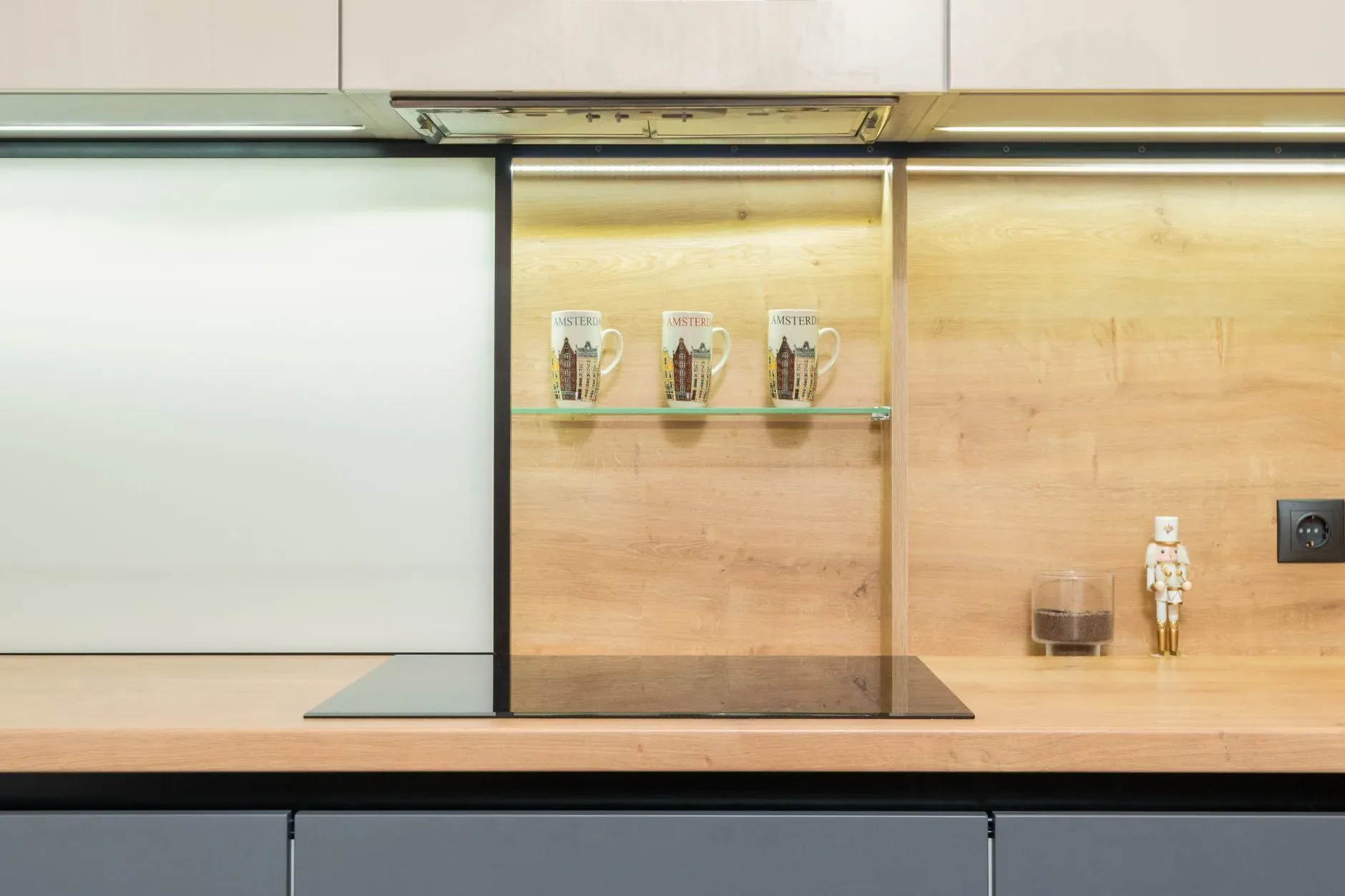
2. Add Open Shelving for a Lived-In Look
Open shelves turn your everyday dishes into part of the décor. Stack white plates, mismatched bowls, and a few mason jars on wood shelves, and the kitchen instantly feels more personal and welcoming.
Styling Tips
Don’t overcrowd the shelves; leave a little breathing room between groupings. Try arranging items in odd numbers (threes work well), and mix heights: a stack of plates, a taller pitcher, a small plant. It should look curated, even if it’s really just your regular dinnerware.
Why It Works
Closed cabinets hide everything, which can make a kitchen feel a bit sterile. Open shelving puts your everyday items on display, which naturally makes the space feel more “used” and homier; plus, it’s genuinely convenient when you’re cooking.
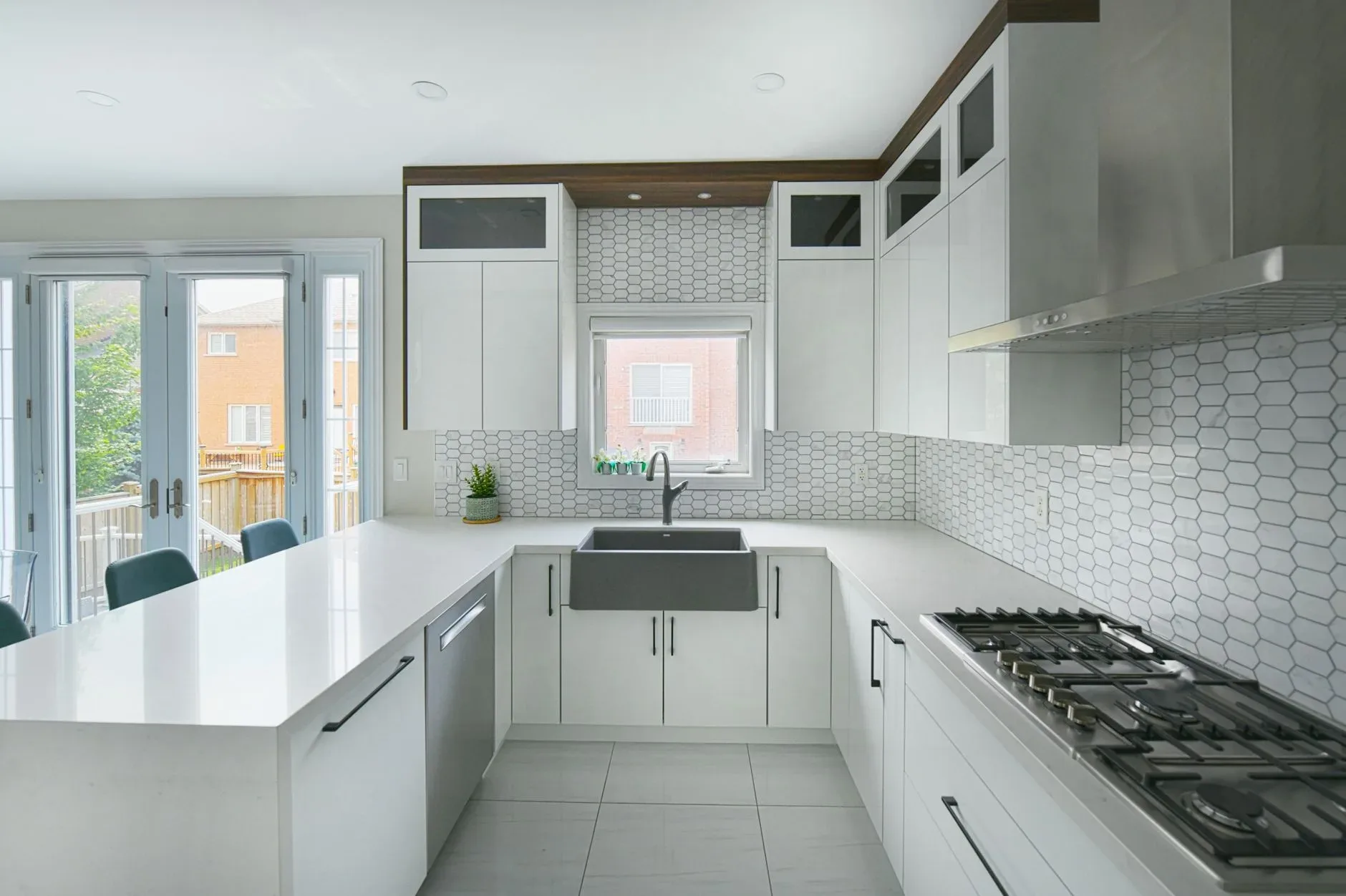
3. Install a Farmhouse Sink for Classic Appeal
If there’s one feature that screams farmhouse, it’s the apron-front sink. That deep, wide basin isn’t just charming; it’s genuinely practical. I’ve washed everything from roasting pans to muddy rain boots in one, and it never feels like overkill.
Styling Tips
White ceramic is the classic choice, but fireclay and copper add their own personality if you want something different. Pair it with a gooseneck faucet in matte black or aged bronze for a finishing touch, and keep the surrounding counter relatively clear so the sink stays the focal point.
Why It Works
The exposed front and deep basin reference old farmhouse kitchens where the sink was a workhorse, not an afterthought. It’s a feature that’s both visually striking and actually useful; form and function rarely line up this well.
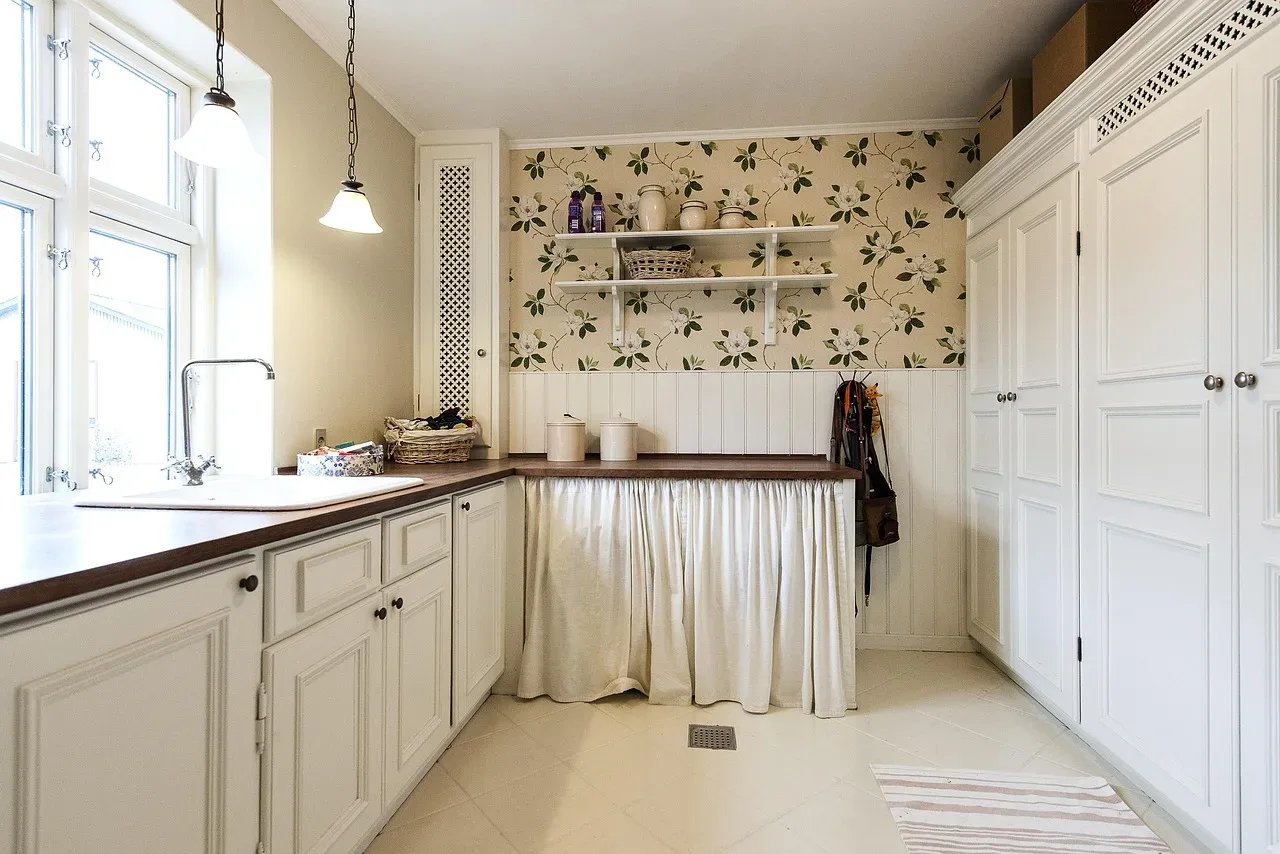
4. Use Neutral Color Palettes for a Soft Rustic Feel
Farmhouse kitchens lean heavily on soft, neutral colors, creams, warm whites, soft grays, and muted greens. These shades create a calm backdrop that lets textures and materials do most of the talking.
Styling Tips
Start with your cabinets and walls in a warm white or cream, then add depth with a soft gray island or a muted sage accent wall. Avoid stark, cool whites; they can feel a little clinical. Bring in warmth through wood tones, woven textures, and brass or black hardware.
Why It Works
Neutral palettes age well and don’t compete with the natural materials, wood, stone, woven baskets, that define this style. They also make the kitchen feel larger and brighter, which is a nice bonus if you’re working with a smaller space.
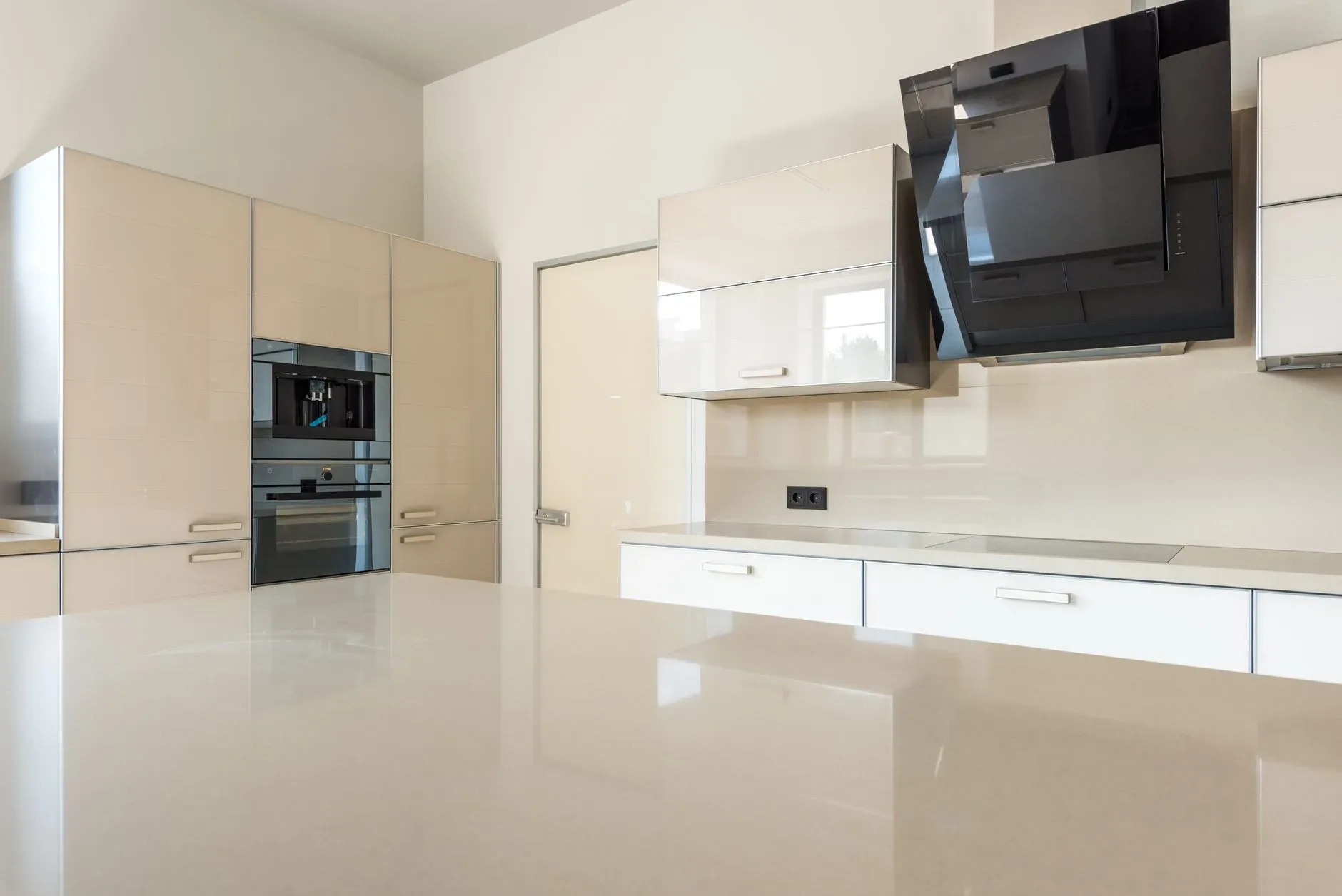
5. Add Vintage Decor Pieces for Nostalgic Charm
Old scales, enamelware, vintage tins, or a weathered crate can add genuine character that’s hard to replicate with new décor. These pieces carry a sense of history, even if you have no idea where they originally came from.
Styling Tips
Flea markets, estate sales, and thrift stores are goldmines for this. Look for items with interesting shapes or patina rather than focusing on “matching” anything. A vintage scale on the counter, an old crate used as a planter box, or a collection of enamel mugs hanging on hooks all work well.
Why It Works
New décor, no matter how well-designed, often lacks the small imperfections that make a space feel collected over time. Vintage pieces bring that authenticity instantly, and honestly, hunting for them is half the fun.
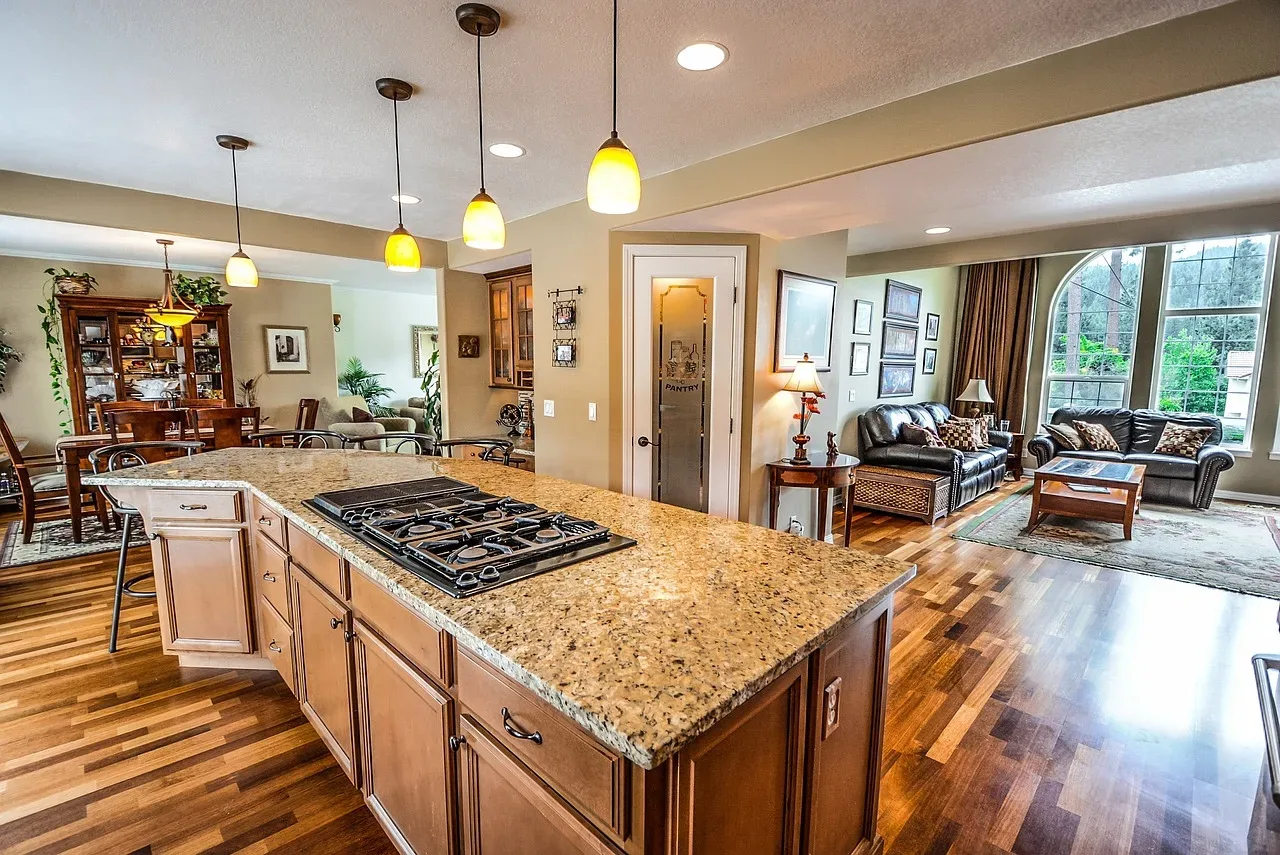
6. Incorporate Shiplap Walls for Farmhouse Texture
Shiplap has become almost synonymous with farmhouse style, and while some people think it’s overdone, I still think it works, especially in smaller doses. A shiplap accent wall behind the stove or as a backsplash adds texture without overwhelming the space.
Styling Tips
Paint it a soft white or warm cream for the classic look, or go a little bolder with sage green for contrast against white cabinets. Keep it to one or two walls rather than the whole room; too much can start to feel like a theme rather than a design choice.
Why It Works
The horizontal lines and subtle shadow gaps between boards add depth and movement to what would otherwise be a flat wall. It’s a simple architectural detail that instantly reads as “farmhouse” without requiring major construction.
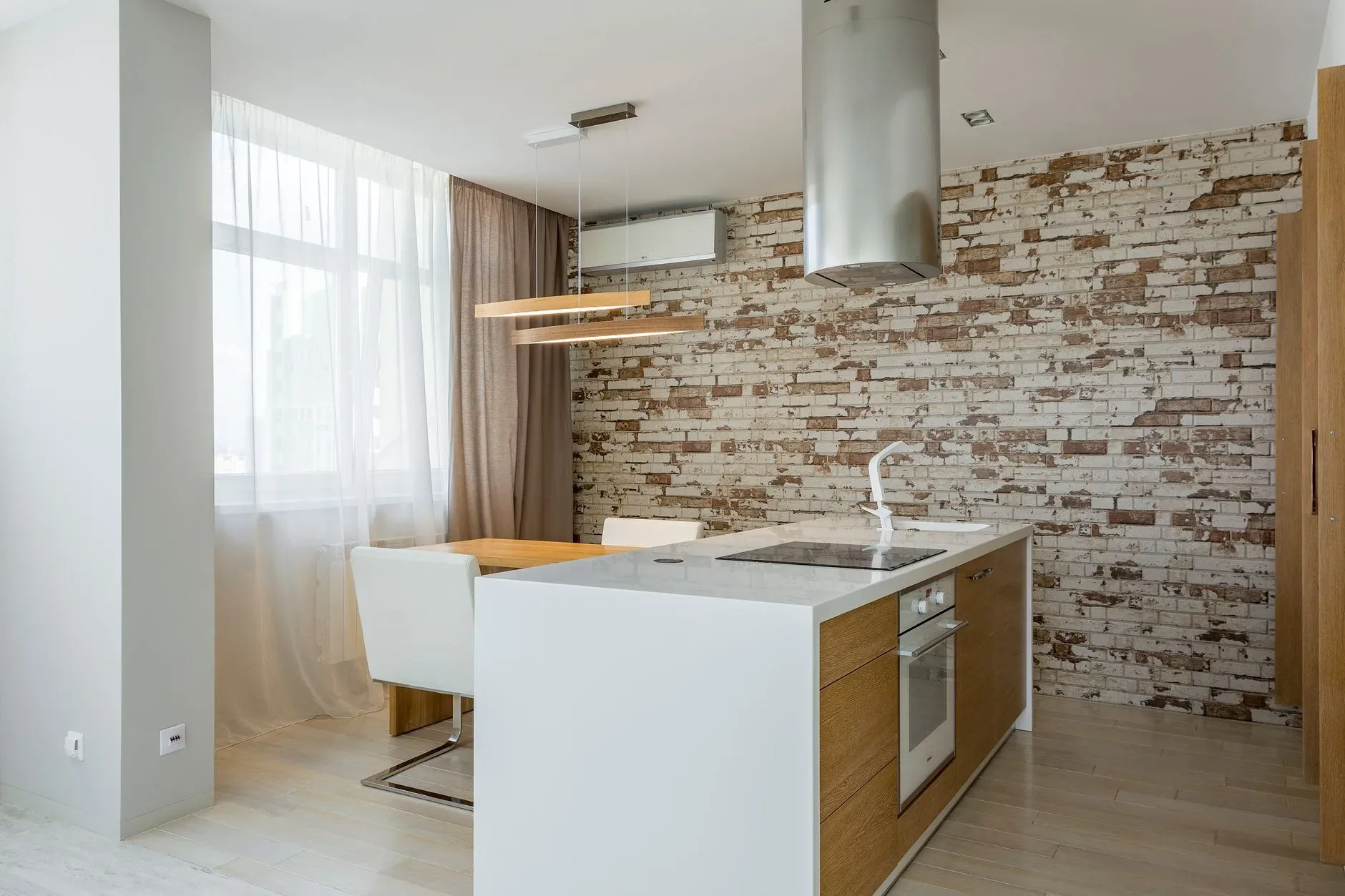
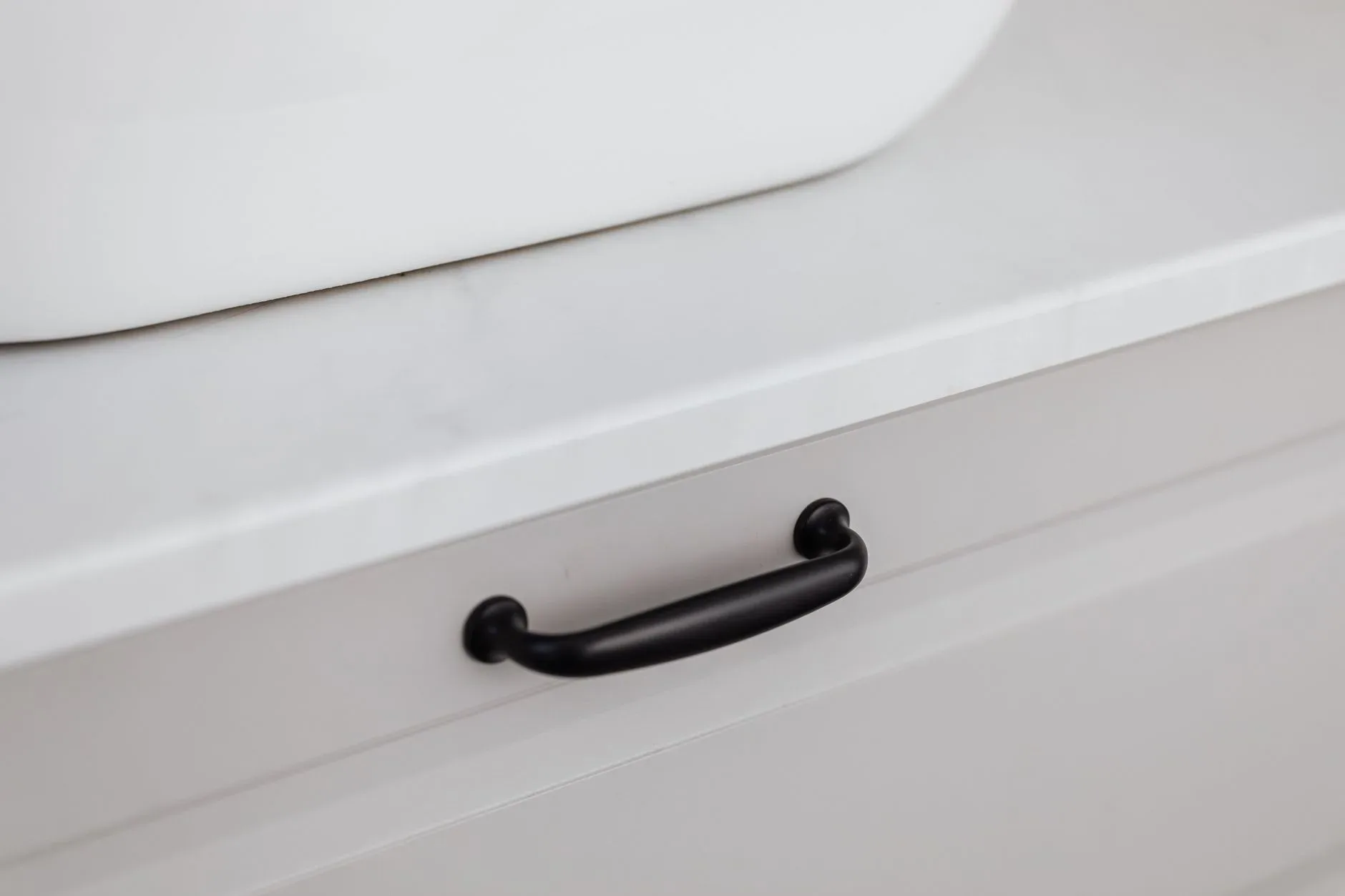
7. Use Black Metal Accents for Rustic Contrast
Black metal, whether it’s cabinet hardware, light fixtures, or shelf brackets, adds a grounding contrast against all that warm wood and soft neutral paint. It keeps the look from feeling too soft or one-note.
Styling Tips
Matte black finishes tend to look more rustic than glossy ones. Use them on cabinet pulls, faucet fixtures, pendant lights, or even window frames. You don’t need to go overboard; a few well-placed black accents are usually enough to create that contrast.
Why It Works
Black acts almost like punctuation in a room full of soft tones. It draws the eye, adds definition, and gives the space a slightly more grounded, industrial edge that balances out the softness of neutral colors and natural wood.
8. Add Hanging Herbs for Fresh Farmhouse Feel
A small herb garden, whether on the windowsill or hanging from hooks near a sunny window, brings a pop of green that softens all the wood and metal, and it’s genuinely useful too.
Styling Tips
Basil, rosemary, thyme, and mint do well in simple terracotta pots. If you want to hang them, look for small macramé planters or wall-mounted holders near a window with good light. Just make sure whatever you choose actually gets enough sun; herbs are forgiving, but not miracle workers.
Why It Works
Greenery adds life and a sense of freshness to a kitchen, and herbs specifically tie back to the “grow your own” spirit that farmhouse style is rooted in. Plus, snipping fresh basil for dinner feels disproportionately satisfying; it’s a small thing that makes the kitchen feel more connected to daily life.
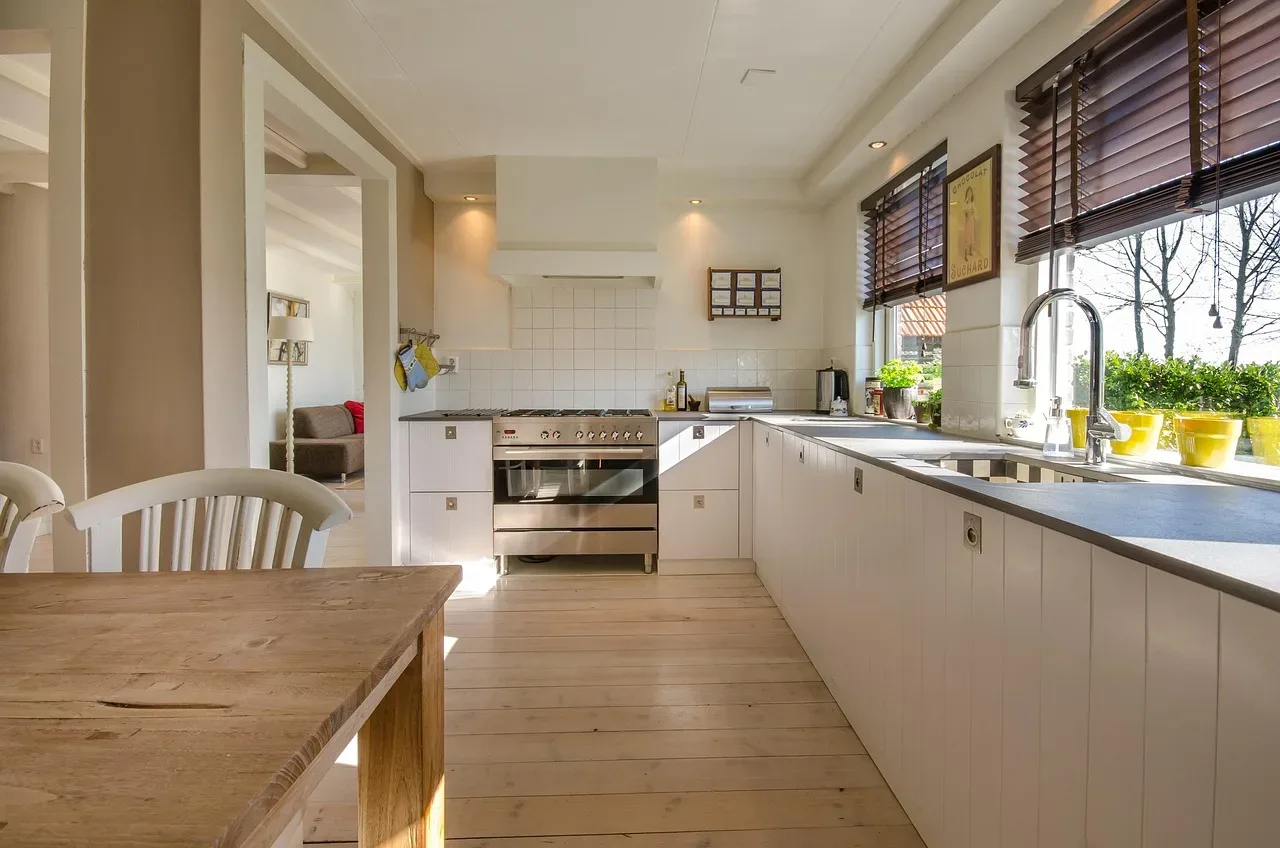
9. Install Butcher Block Countertops for Warmth
Butcher block countertops bring warmth and a tactile, natural feel that stone or quartz just can’t match. They’re also genuinely practical for a kitchen where you actually cook.
Styling Tips
Pair butcher block with a farmhouse sink and white or cream cabinets for that classic contrast. Be prepared for a little maintenance; regular oiling keeps the wood looking good and helps it hold up to daily use. Many people use butcher block on an island while keeping a more durable surface elsewhere.
Why It Works
Wood countertops add warmth in a way that cold stone surfaces don’t. They also age gracefully; small marks and wear over time only add to the character, which fits perfectly with the lived-in farmhouse aesthetic.
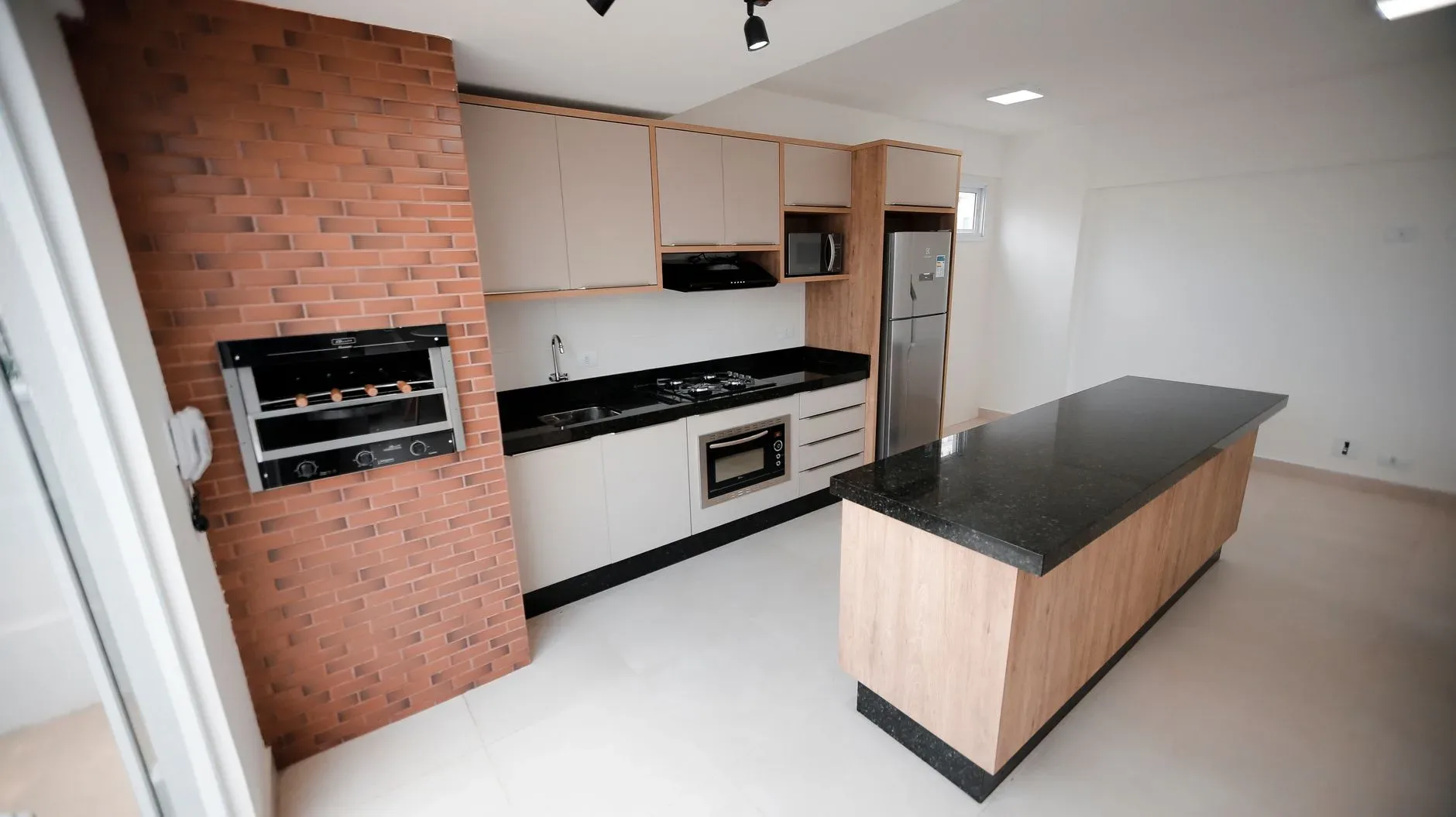
10. Use Wire Baskets for Functional Storage
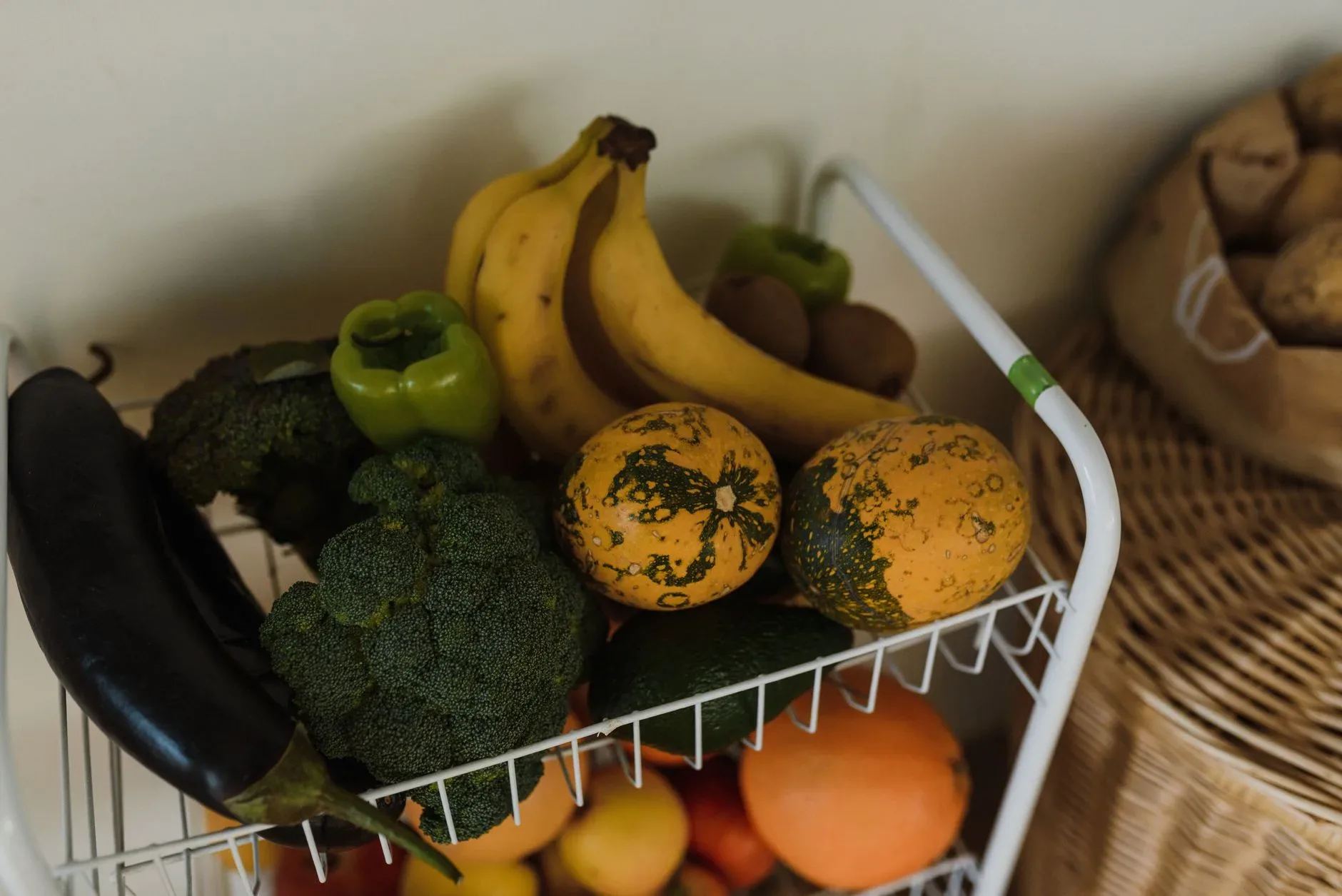
Wire baskets are endlessly useful in a farmhouse kitchen. Stack them on open shelves for extra storage, or use them to corral produce, towels, or pantry items. They add texture without taking up visual “weight” the way solid bins do.
Styling Tips
Mix different sizes and shapes rather than buying a matching set; it looks more collected over time. Use them for things you reach for often, like onions, potatoes, or rolled-up dish towels, so they’re both decorative and genuinely functional.
Why It Works
The open weave lets you see what’s inside while still keeping things tidy, and the metal texture pairs nicely with both wood and black accents. It’s storage that doesn’t try to hide; it just blends in.
11. Add Soft Linen Textiles for Cozy Warmth
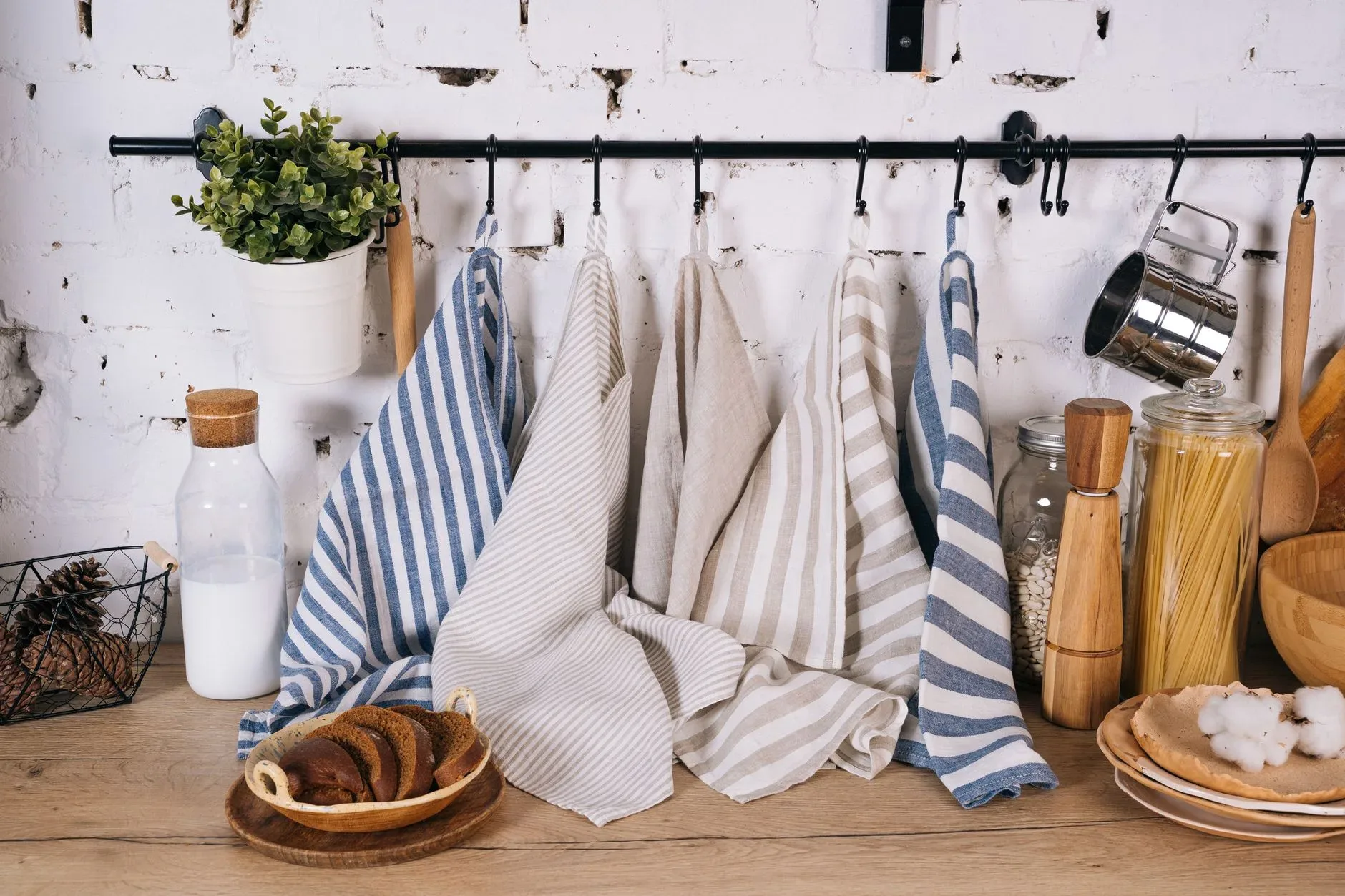
Linen dish towels, table runners, and curtains add a soft, textured layer that balances out all the hard surfaces in a kitchen, countertops, tile, and metal fixtures.
Styling Tips
Stick to neutral or muted tones, cream, soft gray, sage, or a faded blue. Linen with a slightly wrinkled, relaxed look actually fits the style better than something stiff and pressed. Swap these out seasonally if you want an easy way to refresh the space without a big project.
Why It Works
Textiles soften a room in a way that’s easy to underestimate. They absorb sound slightly, add visual texture, and bring in that “soft, worn-in” feeling that’s central to farmhouse comfort, without requiring any permanent changes.
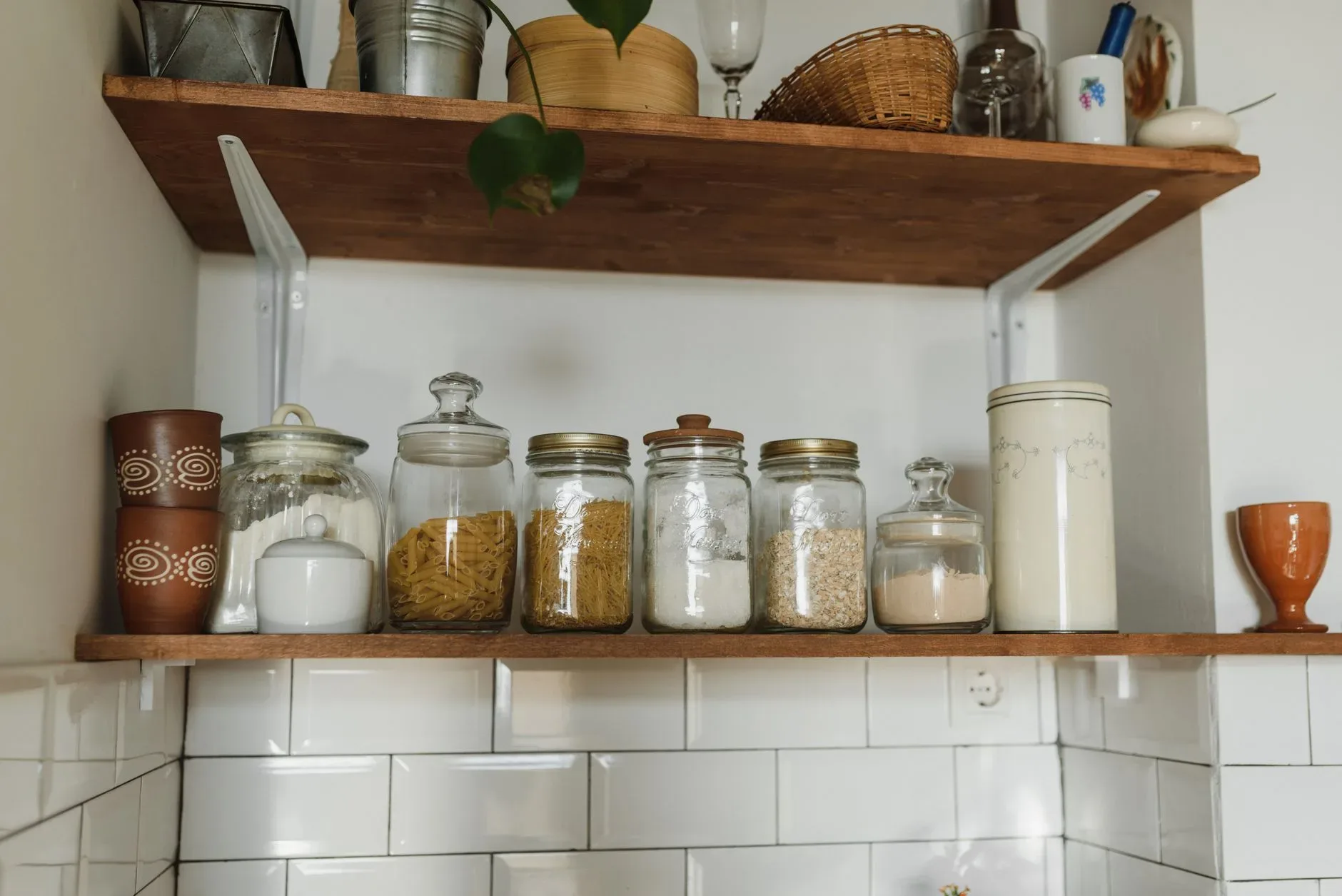
12. Use Glass Jars for Organized Pantry Style
Glass jars filled with flour, sugar, pasta, or grains look great on open shelves or counters, and they make your pantry items part of the décor instead of hiding them away in plastic bags.
Styling Tips
Use a mix of jar sizes and shapes; old-fashioned canning jars work especially well. Label them if you want a more polished look, or skip labels for a more relaxed feel. Group similar items together so the shelf reads as organized rather than random.
Why It Works
Glass jars let you see exactly what you have (handy for actual cooking), and the uniform glass creates a calm, organized look even when the contents vary. It’s one of those small details that makes a kitchen feel both pretty and practical.
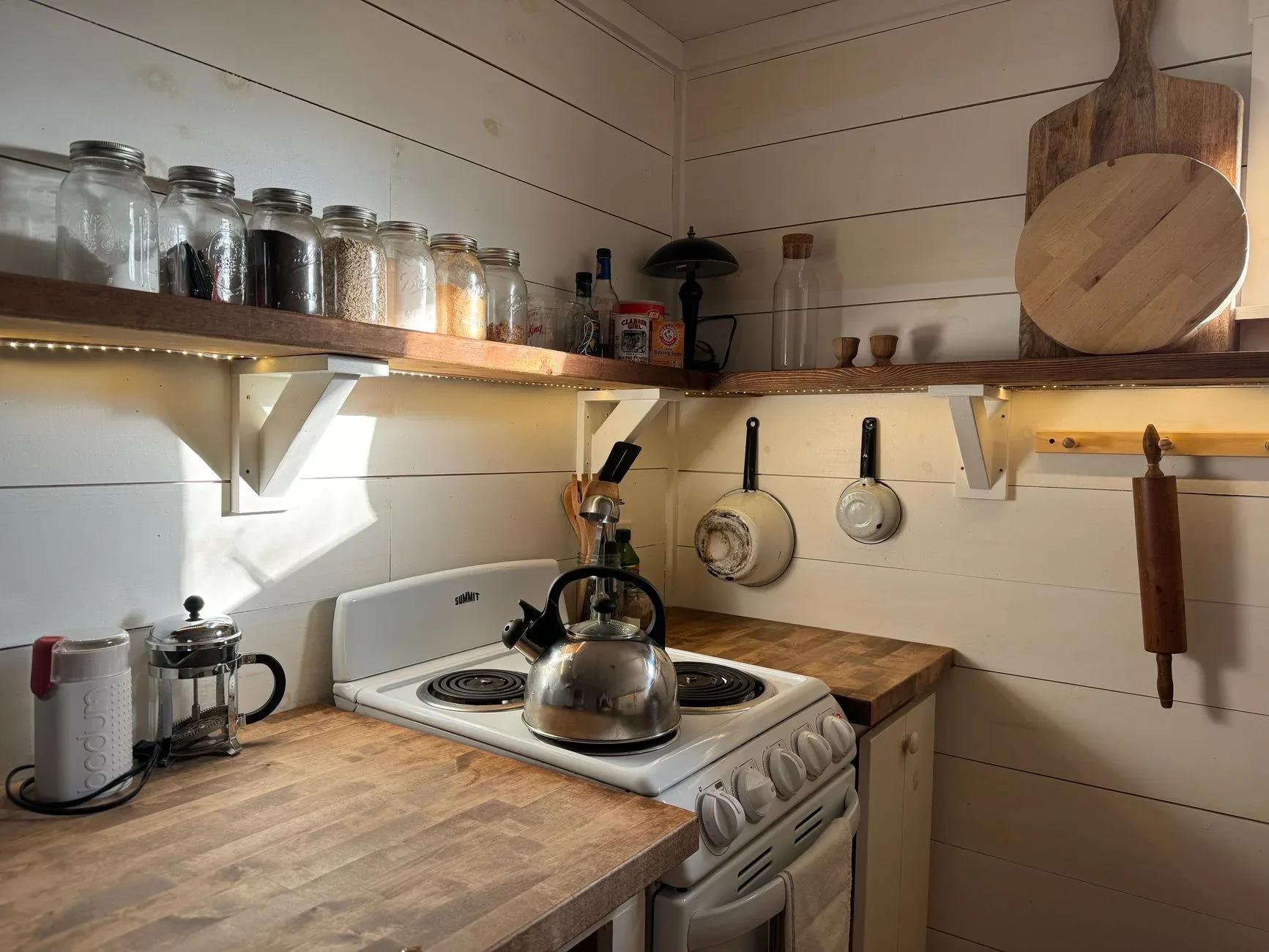
13. Add Rustic Lighting Fixtures for Warm Glow
Lighting is one of those details that can make or break a farmhouse kitchen. Think mason jar pendants, oil-rubbed bronze fixtures, or repurposed lanterns hanging over an island.
Styling Tips
Mixing metals, a little brass here, some black iron there, actually looks more authentic than matching everything perfectly. Pay attention to bulb color too; warm white (around 2700K) gives off that cozy glow that farmhouse kitchens are known for, rather than a harsh, bright white.
Why It Works
Real farmhouses were built over generations, with pieces added bit by bit, so a slightly mismatched mix of lighting actually feels more genuine than a perfectly coordinated set. Warm lighting also makes the whole space feel more inviting, especially in the evening.
14. Use Farmhouse Signs for Personal Touch
Old-fashioned signage, think simple typography on weathered wood, adds personality without taking up much space. You can find genuinely old pieces at flea markets or new ones made to look aged.
Styling Tips
A couple of well-placed signs go a long way. Pick phrases or words that actually mean something to you rather than generic ones, and place them where they won’t compete with other focal points, above a doorway, on an empty wall, or leaning against a shelf.
Why It Works
Signs add a personal, almost storytelling element to the kitchen. They’re an easy way to inject a bit of humor or warmth into the space, though it’s worth noting this is one trend that can tip into “too much” fast,;restraint matters here.
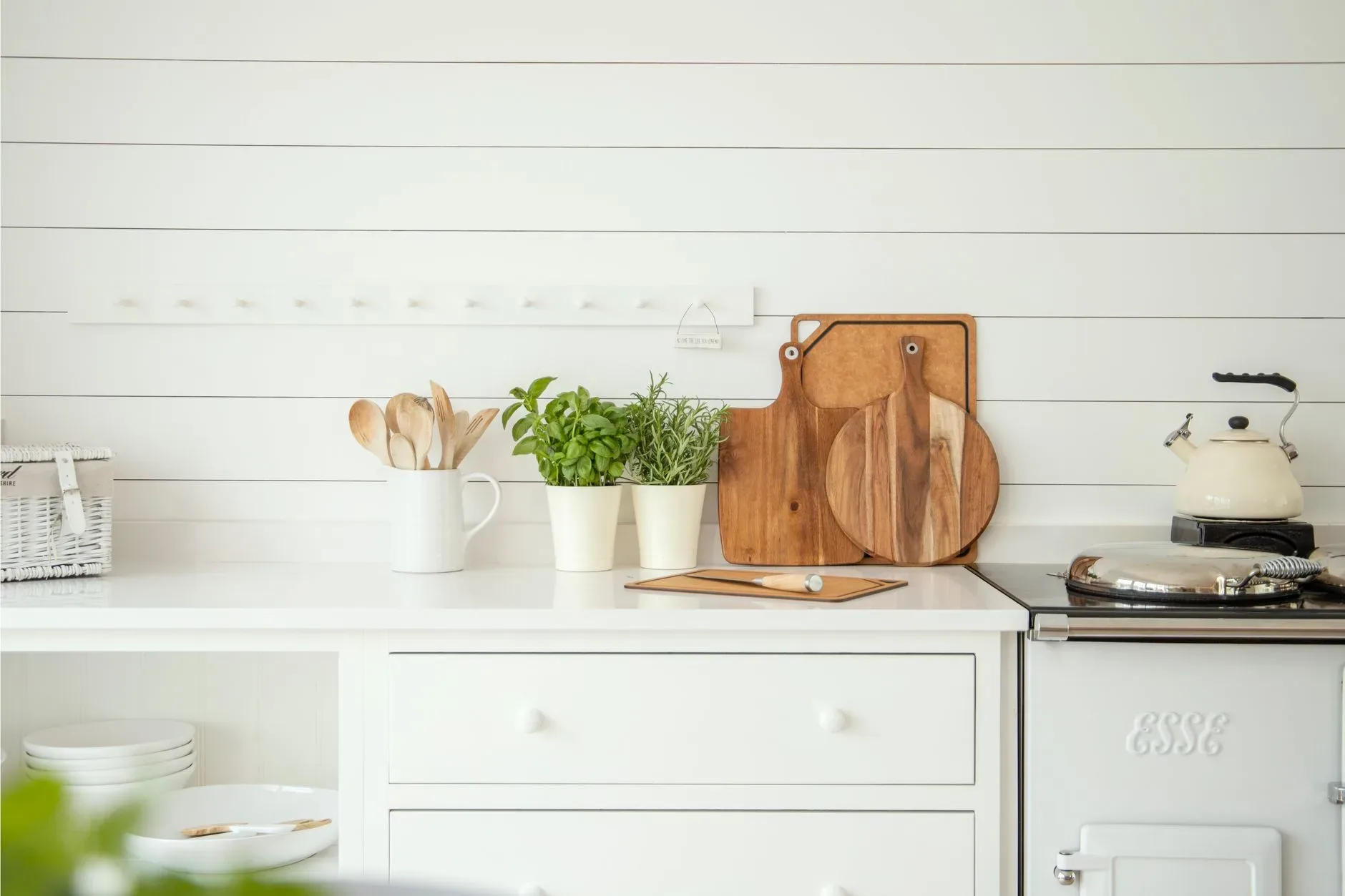
15. Keep Decor Simple for Timeless Farmhouse Style
After going through fourteen ideas, it might seem counterintuitive, but the final piece of advice is: don’t do all of them at once. The most timeless farmhouse kitchens have a handful of standout elements, not fifteen competing focal points.
Styling Tips
Pick two or three ideas from this list that genuinely excite you, and start there. Live with those changes for a while before adding more. This not only keeps costs manageable but also gives the space time to feel like it evolved naturally, which, again, is the whole point.
Why It Works
Restraint is what separates a thoughtfully decorated farmhouse kitchen from one that feels like a showroom. Simplicity gives each element room to breathe, and it’s far easier to live with (and clean) a kitchen that isn’t packed with décor.
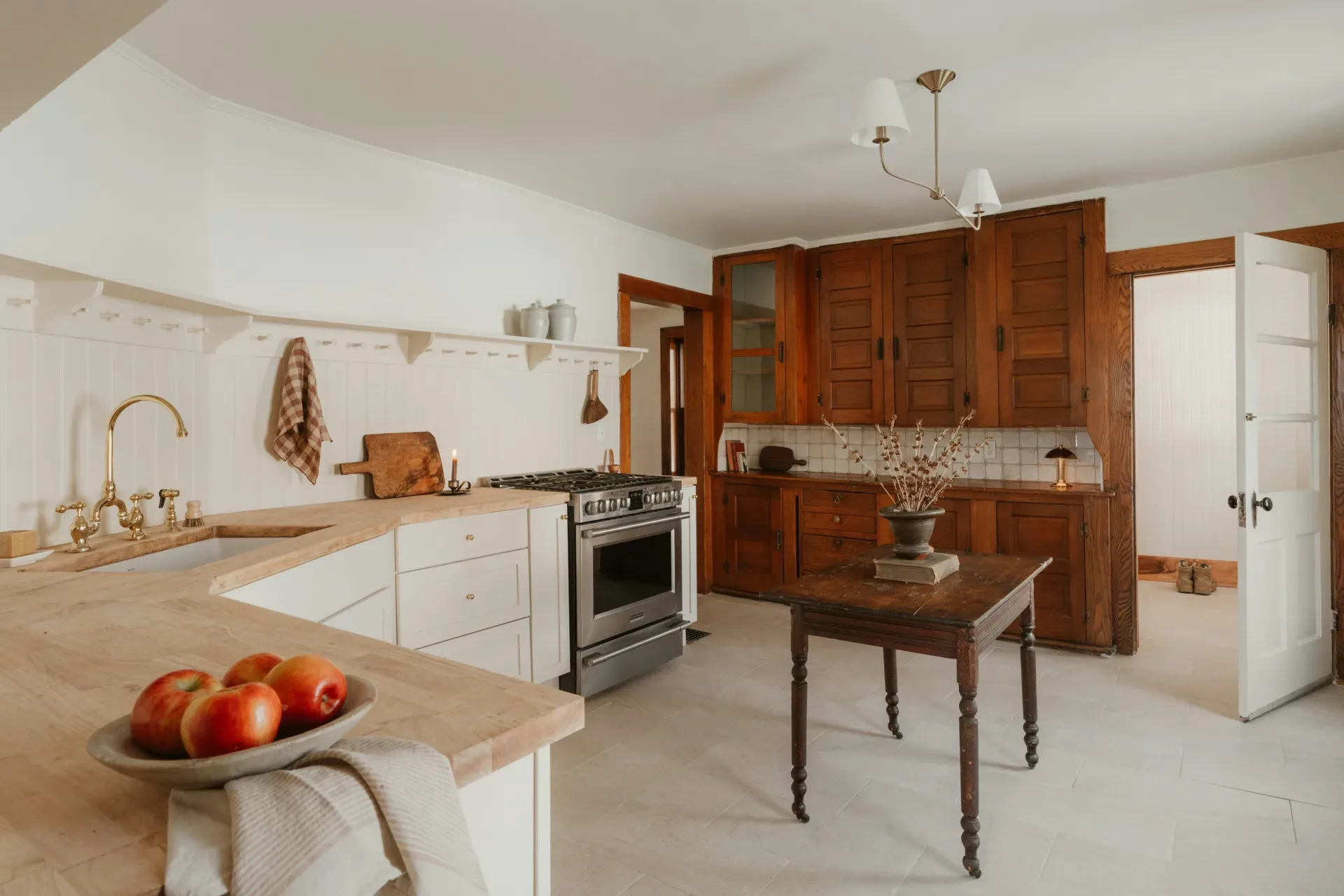
Conclusion
Farmhouse kitchen decor isn’t about following a strict formula,;it’s about layering warmth, texture, and a few well-chosen pieces into a space that already works for your daily life. You don’t need to overhaul everything at once. Start small: swap out some hardware, add a shelf, bring in a basket or two. Over time, those little changes add up to a kitchen that feels just as comfortable as it looks.
At the end of the day, the best farmhouse kitchens aren’t the ones that look like they came straight out of a catalog. They’re the ones that feel like someone actually lives there, coffee rings, herb clippings, and all.